When to Visit Japan: Month-by-Month Weather, Crowds and Prices
Twelve months, with what the weather actually does, how busy it gets, and what you pay. Includes the two weeks either side of cherry blossom that give you the same trip for two-thirds the price.
 Signpost Japan
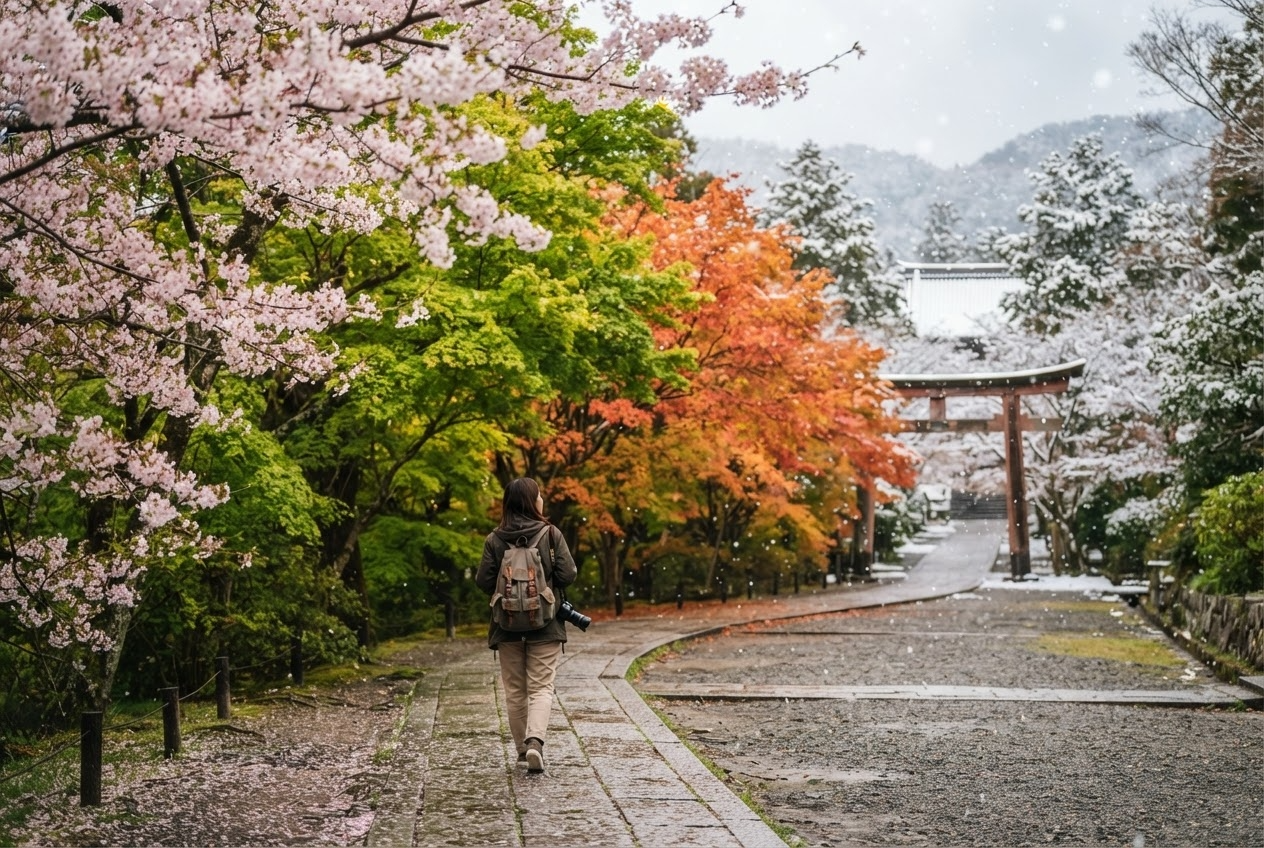
Japan runs from subarctic Hokkaido to subtropical Okinawa, so “the weather in Japan” means little. What is consistent is the shape of the year: a spectacular spring, a punishing summer, an autumn that rivals the spring, and a winter that is far better than its reputation.
Here is each month, with the three things that actually matter — weather, crowds and price.
At a glance
- Best overall
- Late March to May, and October to early December
- Avoid if possible
- Mid-June to mid-July (rain), August (heat and Obon)
- Cheapest
- Late January and February
- Most expensive
- Late March to early April, late November, Golden Week, New Year
- Most underrated
- November for colour, February for quiet
The three periods to plan around
Before months, learn the three national holidays when the entire country travels at once. Trains fill, hotels double, and famous places become impassable.
| Period | Dates | What happens |
|---|---|---|
| Golden Week | Late April to early May | Four public holidays in a week. The biggest domestic travel surge. |
| Obon | Around 13–16 August | Families return to home towns. Transport booked out. |
| New Year | 28 Dec to 4 Jan | Much of the country closes. Shrines are packed on 1 January. |
If your dates are flexible, move around these. If they are not, book accommodation and reserved seats as early as you possibly can.
Month by month
January — cold, bright, quiet, cheap
After the New Year rush ends on about the 4th, January is one of the best-value months in Japan. Tokyo and Kyoto are cold but dry and often brilliantly clear. Hokkaido and the Japan Sea coast are deep in snow.
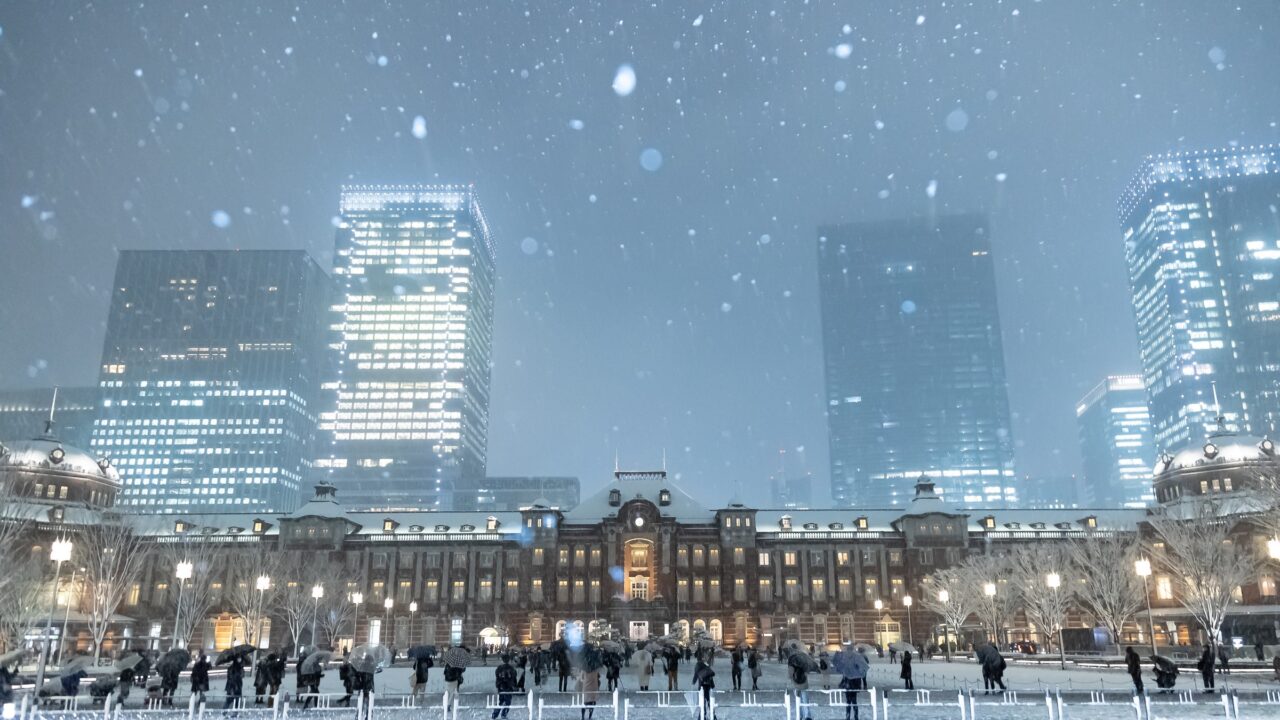
Go for: empty temples, powder snow, winter illuminations, crab season. Watch for: early January closures, and genuinely cold mornings.
February — the quiet month
The cheapest and least crowded month. Cold, but Japanese buildings are heated room by room and you adapt. Plum blossom starts late in the month, a quieter and longer-lasting cousin of the cherry. The Sapporo Snow Festival runs in early February.
Go for: value, snow, plum blossom, onsen towns at their best.
March — the turn
Cold at the start, mild by the end. Cherry blossom typically opens in the last week in Tokyo and Kyoto, though this varies by up to two weeks year to year.
The last ten days of March are the beginning of the price surge.
April — peak, and worth it
Cherry blossom peaks in the first week or so in Tokyo and Kyoto, later going north. It is as good as advertised and the whole country is out in the parks. Prices are at their highest, sites are at their busiest, and it is still worth doing once.
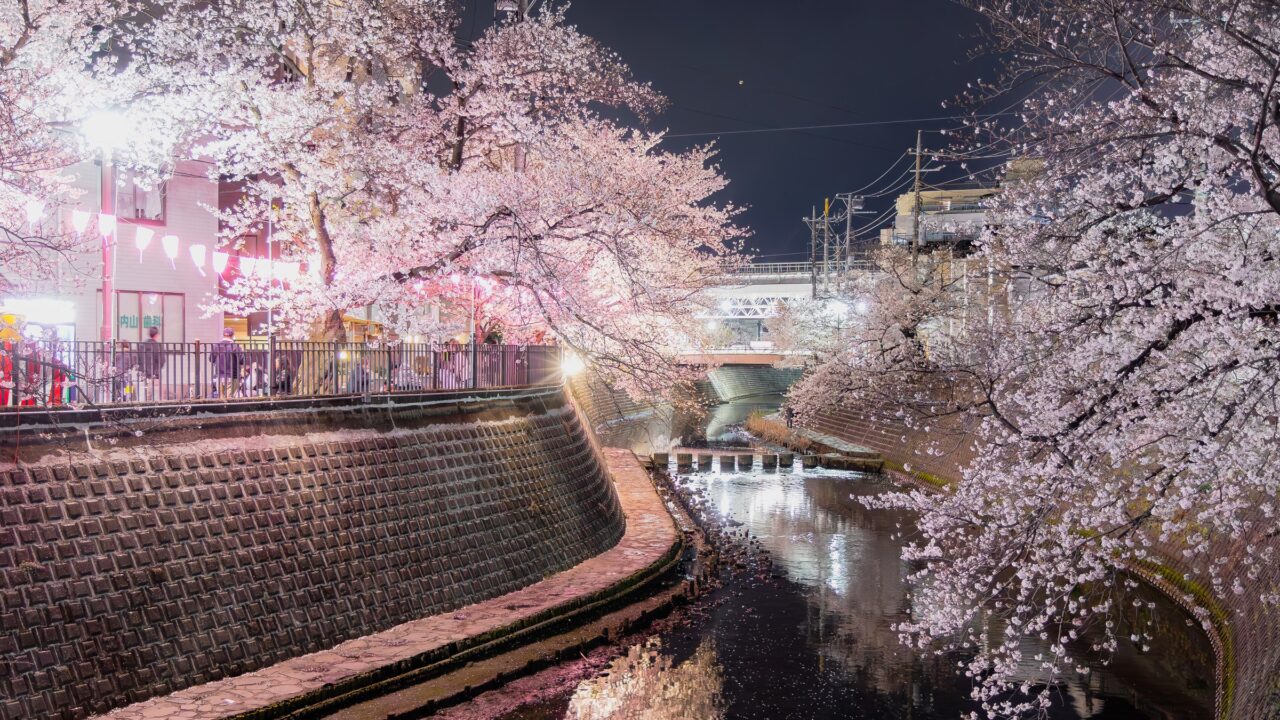
Golden Week starts at the end of the month.
May — the best weather of the year
Once Golden Week ends around the 6th, May is close to perfect. Warm, dry, long days, azaleas and wisteria, and the mountains open up. Hokkaido gets its blossom now.
Go for: hiking, the Japan Alps, anywhere outdoors.
June — rain, but not the way you think
The rainy season (tsuyu) arrives in most of the country in early to mid-June. It does not rain constantly; it rains heavily for a few hours and then stops. Hydrangeas are the compensation, and temples in rain are genuinely better.
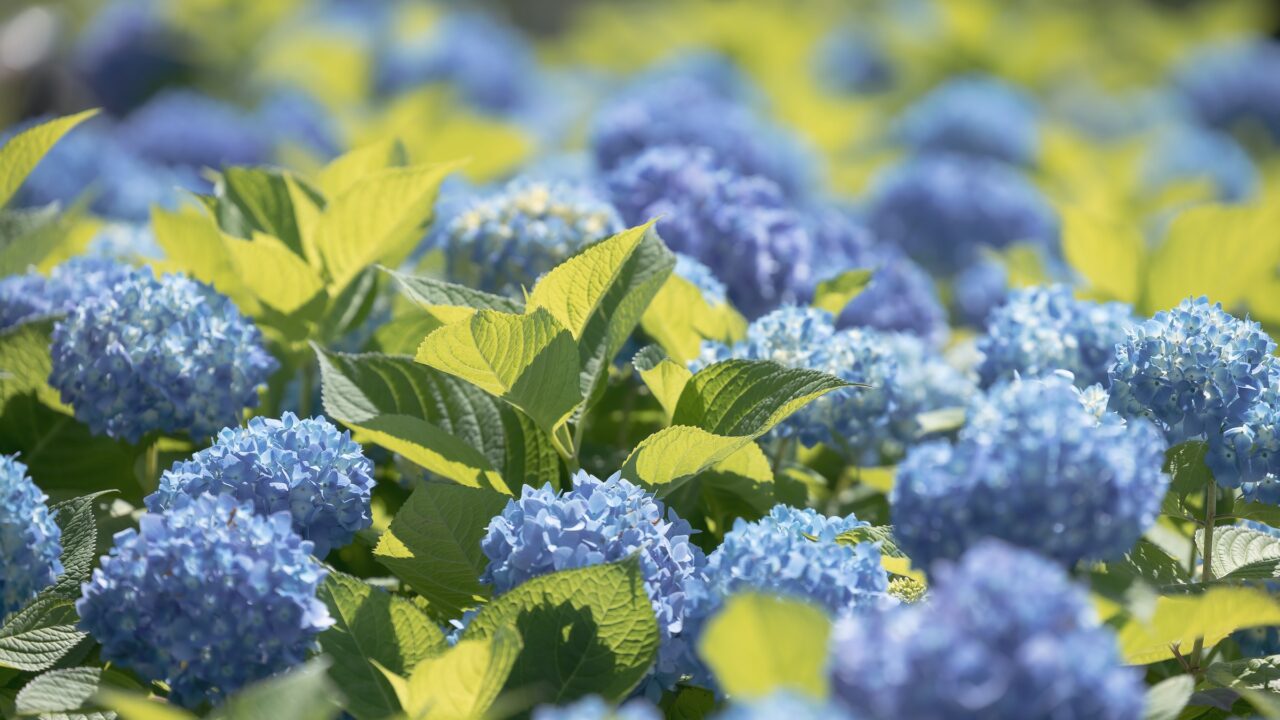
Hokkaido has no rainy season and is superb in June.
July — hot, then hotter
The rain lifts in mid-July and the heat takes over. Tokyo reaches 33–35°C with high humidity. Summer festivals begin, and they are among the best things in the Japanese year.
Go for: festivals, fireworks, the mountains, the northern coast. Watch for: heat exhaustion is a genuine risk. Plan indoor afternoons.
August — the hardest month
The hottest, most humid month, plus Obon in the middle. Cities are draining. This is the month for Hokkaido, the Japan Alps, Tohoku’s great festivals, or the beaches of Okinawa.
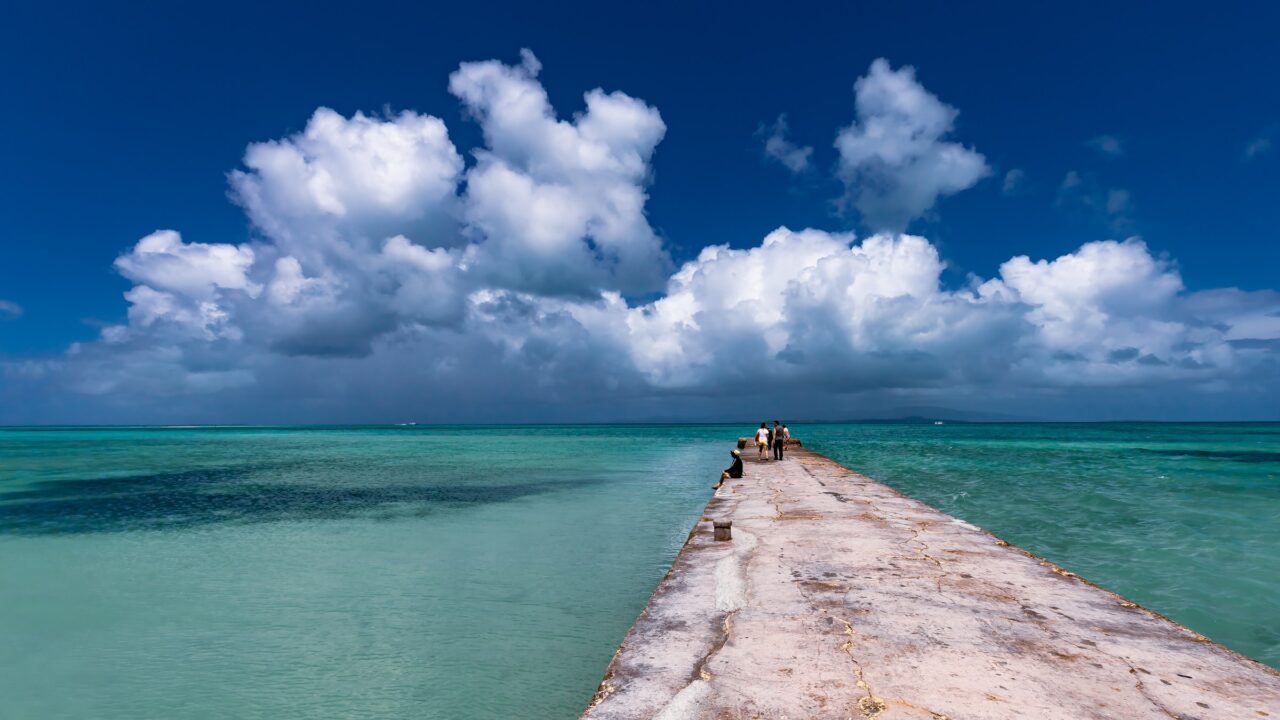
Typhoon season begins.
September — improving, but unsettled
Still hot in the first half, cooling in the second. Peak typhoon month — check forecasts and be ready to shuffle plans. Prices are low and crowds are thin.
October — the second best month
Warm days, cool evenings, low rainfall, and the autumn colour beginning in Hokkaido and the mountains. One of the two clearly best months to visit.
November — the one to book
Autumn colour reaches Kyoto and central Japan through the month, peaking in the second half. Kyoto in late November is as busy as it is in cherry blossom season, and as beautiful.
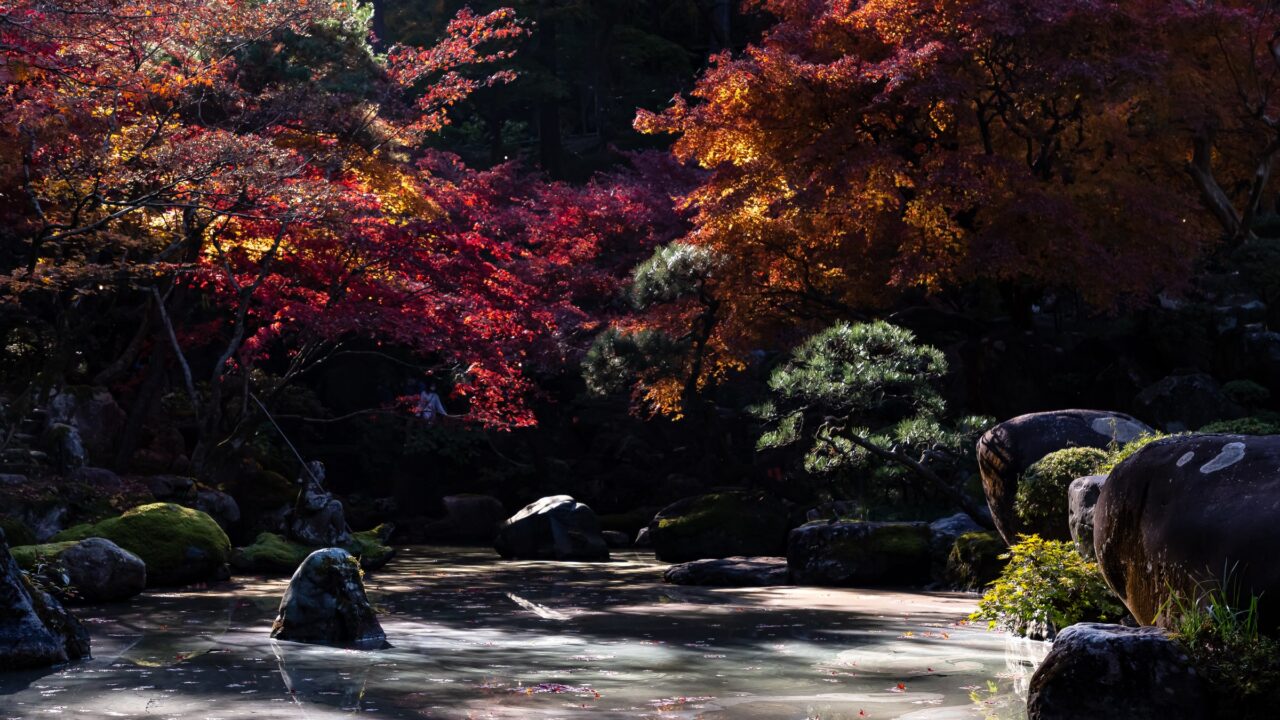
Go for: the best light of the year, and the maples. Watch for: book accommodation months ahead for late November.
December — the underrated one
The first three weeks are cold, dry, clear and quiet, with illuminations everywhere and prices still reasonable. Then New Year arrives and everything changes.
Go for: the first 20 days. Then either commit to New Year properly, or leave.
What it costs by season
| Season | Accommodation | Crowds |
|---|---|---|
| Late Mar – early Apr | Highest | Extreme |
| Golden Week | Highest | Extreme |
| Mid Apr – May | Moderate | Moderate |
| June – early July | Low | Low |
| Aug (Obon) | High | Extreme |
| Sept | Low | Low |
| Oct | Moderate | Moderate |
| Late Nov | High | High |
| Jan (after 4th) – Feb | Lowest | Lowest |
Chasing the blossom or the colour
Both fronts move across the country, which means a two-week trip can catch either one twice.
Cherry blossom opens in Kyushu in mid to late March, reaches Tokyo and Kyoto around the end of March, and arrives in Tohoku in mid-April and Hokkaido in early May.
Autumn colour runs the other way: Hokkaido in late September, the Japan Alps in mid-October, Kyoto and Tokyo in mid to late November, and Kyushu into early December.
Regional differences worth knowing
- Hokkaido is a season behind the rest of the country in spring and ahead of it in autumn. It has no rainy season and its summer is the best in Japan.
- Okinawa is subtropical: warm from March, swimmable from May, and directly in the typhoon path from August to October.
- The Japan Sea coast — Kanazawa, Niigata, Tottori — is much wetter and snowier in winter than the Pacific side.
- The Japan Alps hold snow into June and get their first snow in October.
Questions people actually ask
When exactly is cherry blossom season?
In Tokyo and Kyoto, typically the last days of March into the first week of April, but it moves by up to two weeks year to year and the full bloom lasts only about a week. Forecasts are published from January.
Is the rainy season a reason not to go?
No. It rains in bursts rather than all day, the country is at its greenest, prices are low and crowds are thin. Bring an umbrella — every convenience store sells them for about 700 JPY.
How bad is August really?
Genuinely difficult in the cities: 34°C with high humidity, and heatstroke warnings are common. It is fine if you plan around it — indoor afternoons, northern Japan, or the mountains.
Should I worry about typhoons?
Between August and October, watch the forecast. Typhoons are well predicted several days ahead and railways announce planned suspensions in advance. Build one flexible day into an autumn itinerary.
Is winter too cold for sightseeing?
No. Tokyo and Kyoto sit around 5–10°C in January — cold but dry and bright. The sites are empty and the light is the clearest of the year. Dress in layers and use the onsen.
What is the single best two-week window?
Mid-May, or the first three weeks of November. Both give good weather, manageable crowds and moderate prices.
Keep planning
Japan with Children: What Works, and What to Skip
Japan is one of the easiest countries in the world to travel with children, with two exceptions: hotel rooms are sized for…
Where to Stay in Kyoto: The Five Areas, and the New Lodging Tax
Kyoto is a city you see before nine in the morning, which makes where you sleep matter more than it does in…
Where to Stay in Tokyo: Which Area, and What a Night Costs
In Tokyo you are not choosing a neighbourhood so much as a station. Six areas that work for a first trip, what…