What Japanese People Think of Tourists — and the Unspoken Rules
Japan welcomed record visitor numbers and then started introducing tourist taxes, screens over viewpoints and residential no-go lanes. The honest version of how visitors are seen, and how to be one of the good ones.
 Signpost Japan
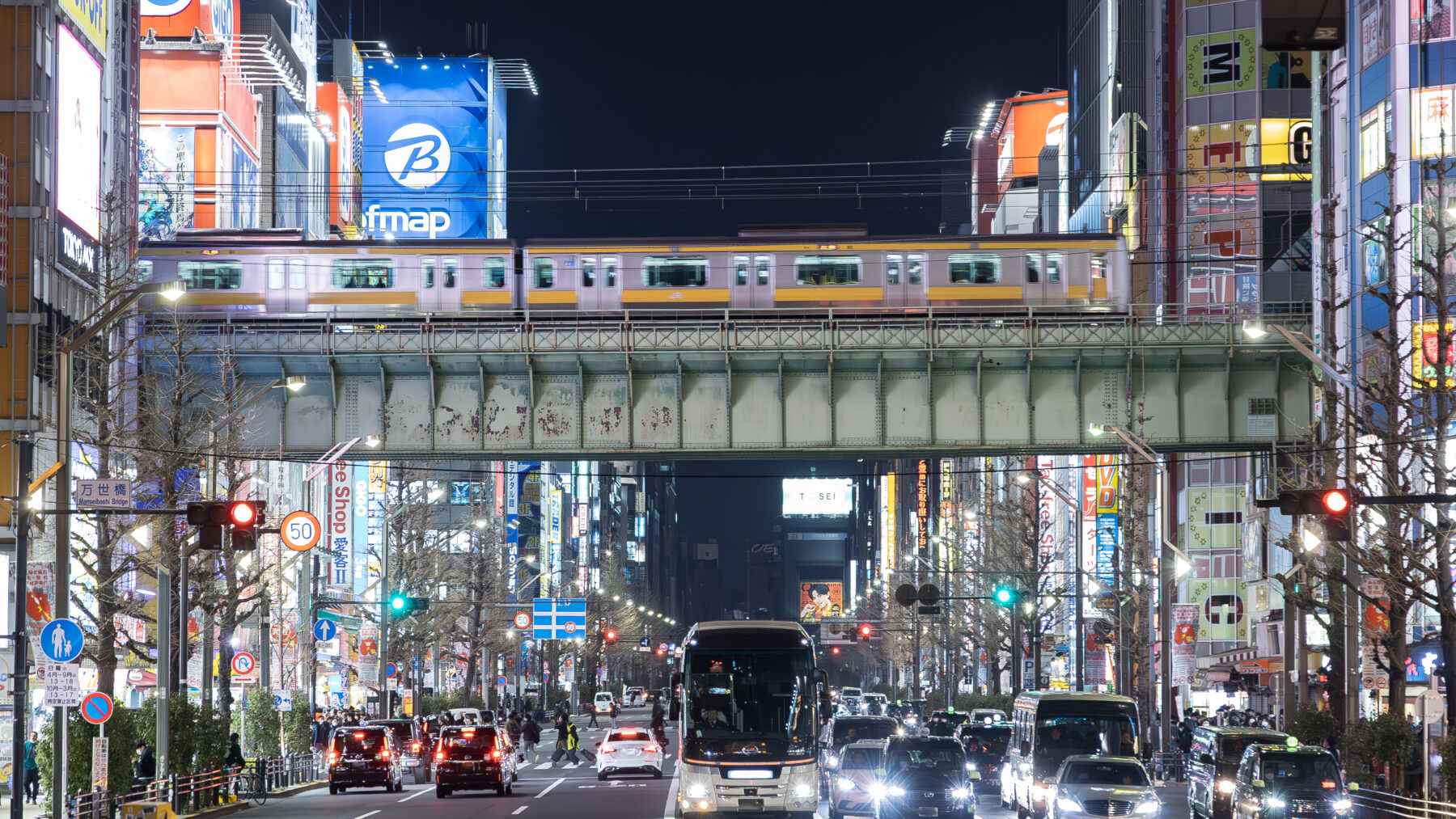
Japanese hospitality towards visitors is genuine, and so is a growing irritation in the places that receive the most of them. Both things are true at once, and most travel writing about Japan reports only the first.
Understanding the second does not make you less welcome. It makes you easier to have around, which is the whole point.
At a glance
- Visitor numbers
- Record highs since 2023, past pre-2020 levels
- Where the pressure is
- Kyoto, central Tokyo, Osaka, Mount Fuji, and a handful of small towns
- Measures introduced
- Lodging taxes, higher fees for foreign visitors at some sites, restricted lanes, entry caps on Fuji
- The complaints
- Noise, rubbish, blocking streets and trains, photographing residents, ignoring queues
- Not a complaint
- Being foreign, not speaking Japanese, or not knowing customs
The two things that are both true
Japanese people are, overwhelmingly, glad you came. Individual encounters are warm, staff will go to considerable lengths to help, and in regional Japan a foreign visitor is often met with straightforward curiosity and pleasure. Tourism is also one of very few growth industries in a shrinking economy, and regional governments compete hard for it.
And the places under most pressure are getting tired. Kyoto in particular has residents who cannot get on their own bus. This is not xenophobia; it is what happens when a city of 1.4 million receives tens of millions of visitors concentrated into a handful of districts and a handful of hours.
The distinction that matters: the irritation is about behaviour and volume, not about foreigners. Japanese domestic tourists get the same complaints, and Kyoto’s residents have been objecting to overcrowding since long before international numbers rose.
What actually annoys people
Worth stating plainly, because these are what locals name when asked.
Noise. On trains, in residential streets at night, in restaurants. Japanese public volume is lower than most countries and a group at normal European or American volume is audibly the loudest thing present.
Blocking. Standing still in station flows, stopping in the middle of a pavement, luggage across a doorway, three people abreast in a narrow lane.
Rubbish. Japan has almost no public bins and people carry theirs home. Leaving a coffee cup on a wall is more conspicuous here than almost anywhere else.
Photographing residents. Especially in Kyoto’s Gion, where geiko and maiko are working women going to appointments and have been physically blocked and chased for photographs. Private lanes there are now closed to visitors with posted fines.
Trespassing for a photograph. Private gardens, residential entrances, farmland, railway property. The Fuji-behind-a-convenience-store spot in Fujikawaguchiko was screened off in 2024 after visitors repeatedly stood in the road and on private property.
Ignoring queues and rules at attractions, on buses, at ticket gates.
Being drunk and loud outside. Drinking is tolerated; the noise afterwards is not.
None of these are cultural subtleties. They would annoy people anywhere. Japan just has less tolerance for them and far less inclination to tell you.
What does not annoy people
The list of anxieties visitors carry that are simply unnecessary.
- Not speaking Japanese. Expected. Any attempt is received warmly.
- Not knowing a custom. Nobody applies the resident standard to a visitor.
- Getting the bow, the chopsticks or the greeting wrong. Invisible.
- Asking for help. Station staff, police boxes and shop staff will help at length, and often walk you there.
- Being visibly foreign. In rural Japan this often produces friendly interest rather than anything else.
- Tattoos in public. Only relevant at baths and pools.
What is actually being done
The policy response has moved quickly since 2023, and it is worth knowing what you will encounter.
Lodging taxes. Kyoto, Tokyo, Osaka, Kanazawa and others levy a per-night accommodation tax, and Kyoto has legislated a substantial increase with higher bands for expensive rooms. It appears on your bill.
Dual pricing. A growing number of attractions and restaurants charge foreign visitors more than residents. Himeji Castle has moved in this direction, and it is being debated nationally. Expect to see more of it.
Access restrictions. Kyoto has closed private alleys in Gion to visitors with fines for entry. Mount Fuji’s main trails now carry entry fees, daily caps and overnight gate closures. Fujikawaguchiko screened a viewpoint to deter road-standing.
Transport measures. Kyoto has introduced express bus services aimed at visitors and luggage rules to keep local buses usable for residents.
Signage and campaigns. Multilingual manner posters on trains, at temples and in shopping streets. Read them; they are specific and they are there for a reason.
How to be one of the good ones
Not a code of etiquette. Six practical habits.
Go early, or go elsewhere
The over-tourism problem is concentrated in about eight places between 10am and 3pm. Arriving at eight, or visiting the next prefecture, solves it entirely — and gives you a better trip.
Halve your volume
On trains, in restaurants, in residential streets at night. This single adjustment does more than any other.
Carry your rubbish
A small bag. Use convenience store bins for what you bought there.
Move out of the flow before you stop
Step aside to look at your phone, take a photograph or check a map. Station concourses and narrow lanes are working infrastructure.
Ask before photographing people, and never in Gion
Residents and workers are not scenery. Private lanes there are closed and enforced.
Spend outside the famous four
Tokyo, Kyoto, Osaka and Hiroshima are saturated. Tottori, Shimane, Saga, Fukui, Aomori and most of Tohoku would very much like you, and are better for it.
→ Where to go in Japan: all 47 prefectures, ranked by what you want
The thing nobody says out loud
Japanese social correction is indirect. If you are doing something wrong, you will almost certainly not be told.
Nobody will ask you to be quieter on the train. Nobody will point out that you are standing in the doorway. The waiter will not mention that the shop closed twenty minutes ago. You will simply be accommodated, politely, and the discomfort will be absorbed by everyone else.
This is the single most important thing for a visitor to understand, because it removes the feedback loop that would correct you anywhere else. The absence of a complaint is not evidence that everything is fine.
The practical answer is to watch what everyone around you is doing and match it. Japanese public behaviour is highly legible — the information is all there, it is just not going to be delivered to you personally.
On the other side of it
It is worth ending with the thing that is genuinely true and gets lost in the over-tourism discussion.
Ask for directions in a Japanese city and there is a fair chance someone will walk you to where you are going. Lose your wallet and there is a fair chance it will be handed in with the cash in it. Get on a rural train and someone may work out where you are trying to get to and tell the driver.
None of that is performance. Japan is, by a considerable margin, one of the easiest and kindest countries in the world to travel in, and the small set of things it asks of you in return is not much to carry.
Questions people actually ask
Is there anti-tourist feeling in Japan?
Not against foreigners as such. There is real fatigue in a small number of saturated places — Kyoto above all — about crowding and behaviour, and it applies to Japanese domestic tourists too.
Will I be charged more than locals?
Increasingly, at some attractions and restaurants. Dual pricing is spreading and is being debated nationally. Accommodation taxes apply to everyone.
What is the single worst thing a visitor does?
Noise, and it is not close. Volume on trains and in residential streets is the complaint that comes up first, every time.
Can I photograph geisha in Kyoto?
Not on the private lanes of Gion, where it is prohibited with posted fines. On main public streets, ask first, and do not follow, block or chase.
Will someone tell me if I am doing something wrong?
Almost certainly not. Japanese correction is indirect and visitors are accommodated. Watch what people around you do and match it.
How can I travel in a way that helps?
Visit outside the famous four, go early in the day, stay overnight in the places you visit rather than day-tripping, and spend in small local businesses. Regional Japan actively wants visitors and gets very few.
Keep planning
Japan’s Ageing Population, Seen from the Train Window
Closed schools, unstaffed stations, and a taxi driver in his late seventies. Japan's demographic shift is not an abstraction — it is…
Why Japanese Cities Look the Way They Do
A noodle bar under a flat, a car park where a house was, wires overhead and no street names. Japanese cities look…
The Japanese School Day, from First Grade to Club Practice
Children clean their own classrooms, walk to school in groups from age six, and stay for club practice until six in the…