Japan for First-Timers: Everything to Sort Before You Fly
The twelve decisions that shape a first trip to Japan, in the order you actually have to make them — from when to go and how long you need, down to the card you will use at a ticket machine on your first morning.
 Signpost Japan
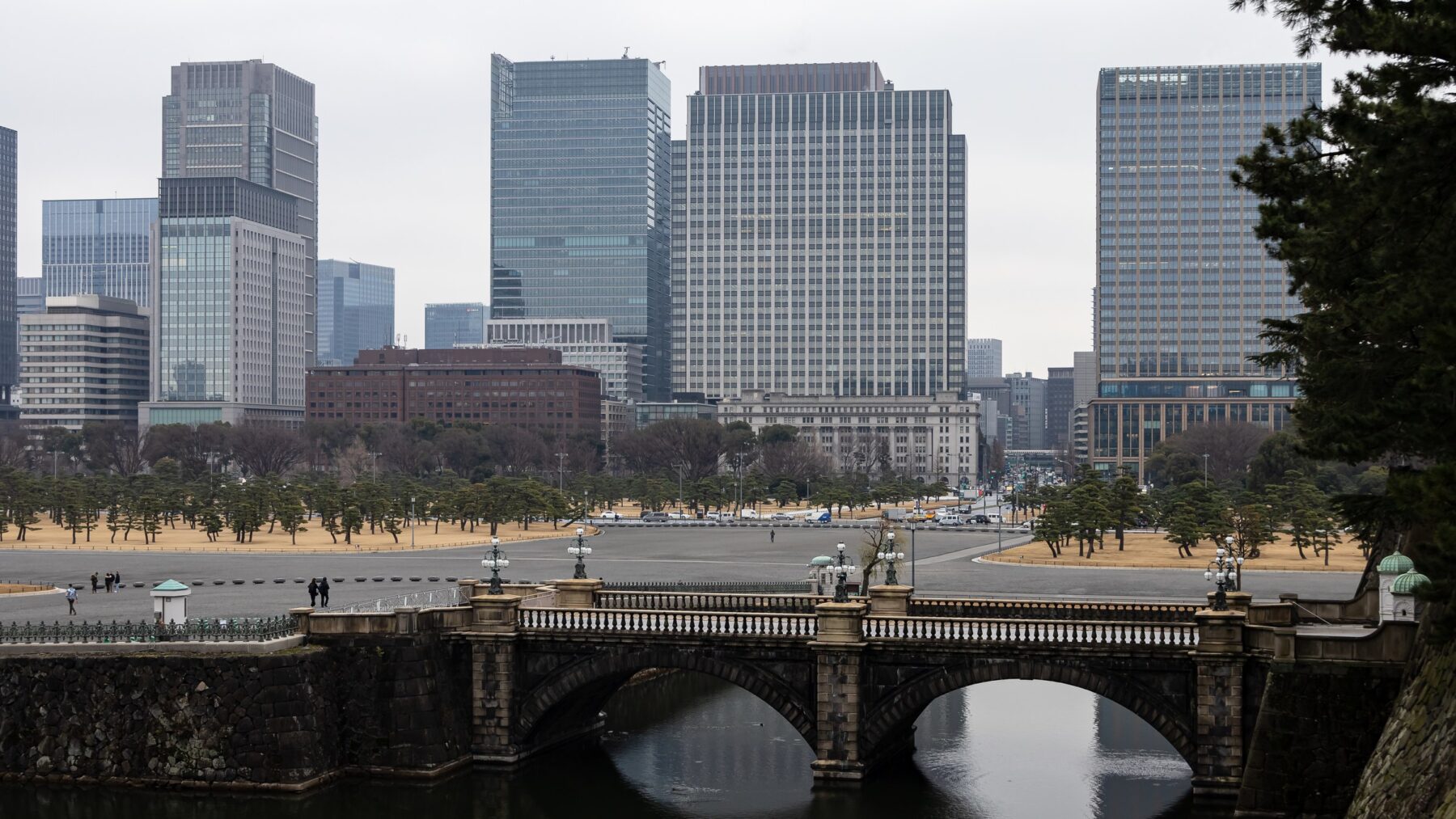
Japan rewards preparation more than most countries, and punishes it less than you would expect. You can turn up with nothing booked but a hotel and have a wonderful time. But a dozen decisions made in the right order will save you money, hours and a certain amount of standing in stations looking confused.
This is the running order. Each section links to the guide that goes deeper.
At a glance
- Minimum useful trip
- 7 days. 10–14 is where Japan stops feeling rushed.
- Best months
- Late March to May, and October to early December
- Daily budget
- 12,000–20,000 JPY per person, mid-range, excluding intercity transport
- Book far ahead
- Accommodation, and only that
- Do not book ahead
- Trains, restaurants outside the top tier, day trips
- Biggest first-trip mistake
- Too many cities. Three in ten days is plenty.
1. When to go
The two good windows are late March to May and October to early December. Mild weather, clear light, and the two things Japan is most photographed for — cherry blossom and autumn colour — sit at either end.
The two to avoid if you can: mid-June to mid-July (the rainy season) and August (hot, humid, and the whole country travels during Obon).
Winter is underrated. January and February are cold but dry and bright in most of the country, prices drop, and the famous sites are genuinely quiet.
→ When to visit Japan: month-by-month weather, crowds and prices
2. How long
Seven days is the minimum for a trip that does not feel like a transit exercise. Ten to fourteen is the sweet spot. Anything over three weeks and you should be thinking about a rail pass and a slower route through the regions.
The most common first-trip error is fitting five cities into eight days. Japan’s cities reward a full day each and its day trips are excellent. Three bases in ten days beats six bases in ten days, every time.
→ The classic 7-day Japan itinerary → 14 days in Japan: getting past Tokyo, Kyoto and Osaka
3. Where to fly into
Fly into Tokyo and out of Osaka, or the reverse. An open-jaw ticket usually costs the same as a return and saves you a day of backtracking.
Within Tokyo, prefer Haneda over Narita: it is inside the city, saves an hour each way, and has better late-night connections.
→ Airport to city: Narita, Haneda, Kansai, Chubu, Fukuoka, New Chitose
4. Entry paperwork
Most Western passport holders get visa-free entry for up to 90 days. What you do need is Visit Japan Web — the government portal where you register your immigration and customs details before flying and receive QR codes to scan at the airport. It takes fifteen minutes and turns a queue into a walk-through.
→ Japan entry requirements: Visit Japan Web, customs and duty-free
5. Accommodation — the only thing to book early
Book your beds two to three months out for spring and autumn. Everything else in Japan can wait.
The choice is not just price but kind: a business hotel is small and efficient, a ryokan is a whole evening’s experience with dinner, a minpaku gives you a kitchen and a washing machine.
Mix them. Three nights of business hotel and one night in a ryokan gives you a much better trip than four nights of either.
→ Where to stay in Japan: hotel, ryokan, business hotel or minpaku
6. Money
Japan is far less cash-dependent than its reputation, and still more cash-dependent than northern Europe. Cards work in cities; small restaurants, rural buses, shrines and temple entry often do not take them.
Carry 20,000–30,000 JPY and top up at 7-Eleven ATMs, which reliably accept foreign cards.
→ Money in Japan: cash, cards, ATMs and tax-free shopping
7. Transport, and whether to buy a pass
Get an IC card at the airport — Suica, ICOCA or one of their siblings. It covers local trains, subways, buses and convenience stores nationwide.
On the rail pass question: since the price rose sharply in late 2023, the national Japan Rail Pass no longer pays for itself on most first trips. Price your actual route before buying, and look at regional passes instead.
→ Getting around Japan: the complete transport guide → Is the Japan Rail Pass worth it? Run the numbers first
8. Connectivity
Buy an eSIM before you fly if your phone supports one. It is cheaper than pocket Wi-Fi, works the moment you land, and there is no device to return.
You will use maps constantly. This is not optional infrastructure.
→ Staying connected: eSIM, pocket Wi-Fi or roaming?
9. What to pack
Less than you think, and better shoes than you think. You will walk 15,000–20,000 steps a day. Japanese cities are walking cities and their stations have stairs.
Pack light for another reason: Japanese hotel rooms are small, trains have little luggage space, and doing laundry is easy — coin laundries are everywhere and most business hotels have machines.
→ What to pack for Japan — and what to buy after you land
10. Food
You will eat well without trying. The thing worth learning in advance is the mechanics: ticket machines at ramen shops, the plastic food models in windows, ordering by pointing, and the fact that many excellent restaurants seat six people and have no English menu.
If you have dietary requirements, do the reading before you go. Vegetarianism in particular is harder in Japan than in most developed countries, because dashi — fish stock — is in nearly everything.
→ How to order in a Japanese restaurant without Japanese → Vegetarian and vegan in Japan: the honest guide
11. Manners
The short version: be quiet, be tidy, and queue. Almost everything else follows.
Nobody expects you to bow correctly or use chopsticks perfectly. What is noticed is noise on trains, blocking pavements, and litter. Japan has almost no public bins, and you are expected to carry your rubbish until you find one.
→ Japanese etiquette: what actually matters, and what doesn’t → Onsen for beginners: rules, tattoos and the small towel
12. Build in less
The single best piece of advice for a first trip: cut one thing from each day.
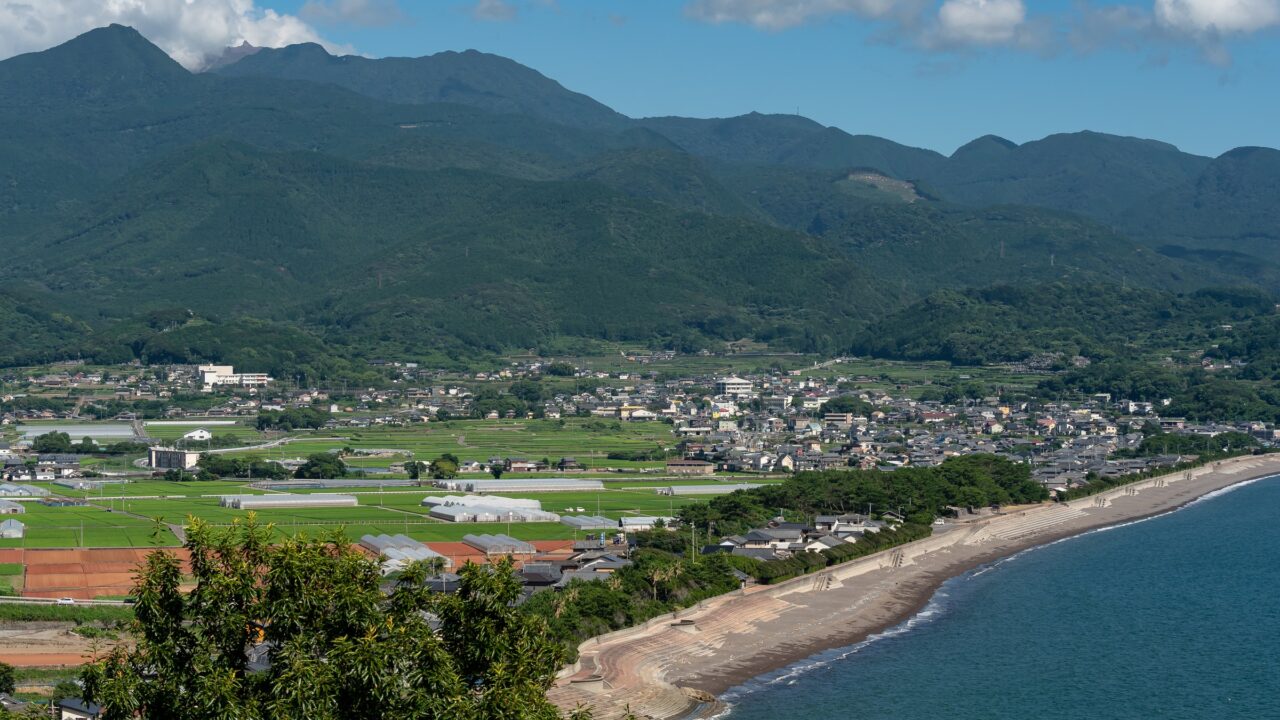
Japanese cities reveal themselves in the gaps — the shopping street behind the temple, the standing bar under the railway arches, the hour in a park watching schoolchildren. An itinerary packed to the minute gives you a slideshow of famous places and nothing else.
A sensible first trip
Four months out — pick your dates and book flights
Aim for late March–May or October–early December. Fly into Tokyo, out of Osaka.
Three months out — book accommodation only
Three bases for ten days: Tokyo, Kyoto, and one other. Include one ryokan night.
One month out — buy an eSIM and check your documents
Passport valid, eSIM purchased, any prescription medication checked against Japan’s rules.
One week out — register on Visit Japan Web
Immigration and customs QR codes. Fifteen minutes.
On arrival — IC card, cash, then your hotel
Buy the IC card at the airport station, draw cash from a 7-Bank ATM, and consider forwarding your suitcase to the hotel.
During the trip — book trains a few days ahead, not weeks
Fares do not rise. Reserve seats for peak periods and long journeys, and otherwise travel non-reserved.
The four phrases that carry a whole trip
Sumimasen does most of the work. It means excuse me, sorry, and thank you depending on context, and it is how you start almost any interaction.
Questions people actually ask
Do I need to speak Japanese?
No. Signage in cities and on transport is bilingual, restaurant staff are used to pointing, and translation apps work well. Rural areas are harder, and a few phrases go a long way there.
Is Japan expensive?
Less than its reputation. Food and transport are cheaper than in most of western Europe; accommodation is comparable. A mid-range trip runs 12,000–20,000 JPY per person per day excluding intercity travel.
Is it safe?
Exceptionally, including for solo travellers and at night. The realistic risks are getting lost, missing the last train, and heat exhaustion in August.
Will I be able to use my credit card?
In cities, mostly yes. In small restaurants, at temples, on rural buses and at markets, often not. Carry cash as well.
How many cities should I visit?
Three in ten days. Two in a week. Japan’s day trips are excellent, so a base plus excursions beats constant repacking.
Should I book restaurants?
Only for high-end places and anything with a Michelin star, where you should book weeks ahead. Everywhere else, walk in — and expect to queue at the good ones.
Keep planning
Japan with Children: What Works, and What to Skip
Japan is one of the easiest countries in the world to travel with children, with two exceptions: hotel rooms are sized for…
Where to Stay in Kyoto: The Five Areas, and the New Lodging Tax
Kyoto is a city you see before nine in the morning, which makes where you sleep matter more than it does in…
Where to Stay in Tokyo: Which Area, and What a Night Costs
In Tokyo you are not choosing a neighbourhood so much as a station. Six areas that work for a first trip, what…