Where to Go in Japan: All 47 Prefectures, Ranked by What You Want
Japan has 47 prefectures and most visitors see four. This is the map of the other 43 — organised by what you actually want from a trip rather than by what is famous.
 Signpost Japan
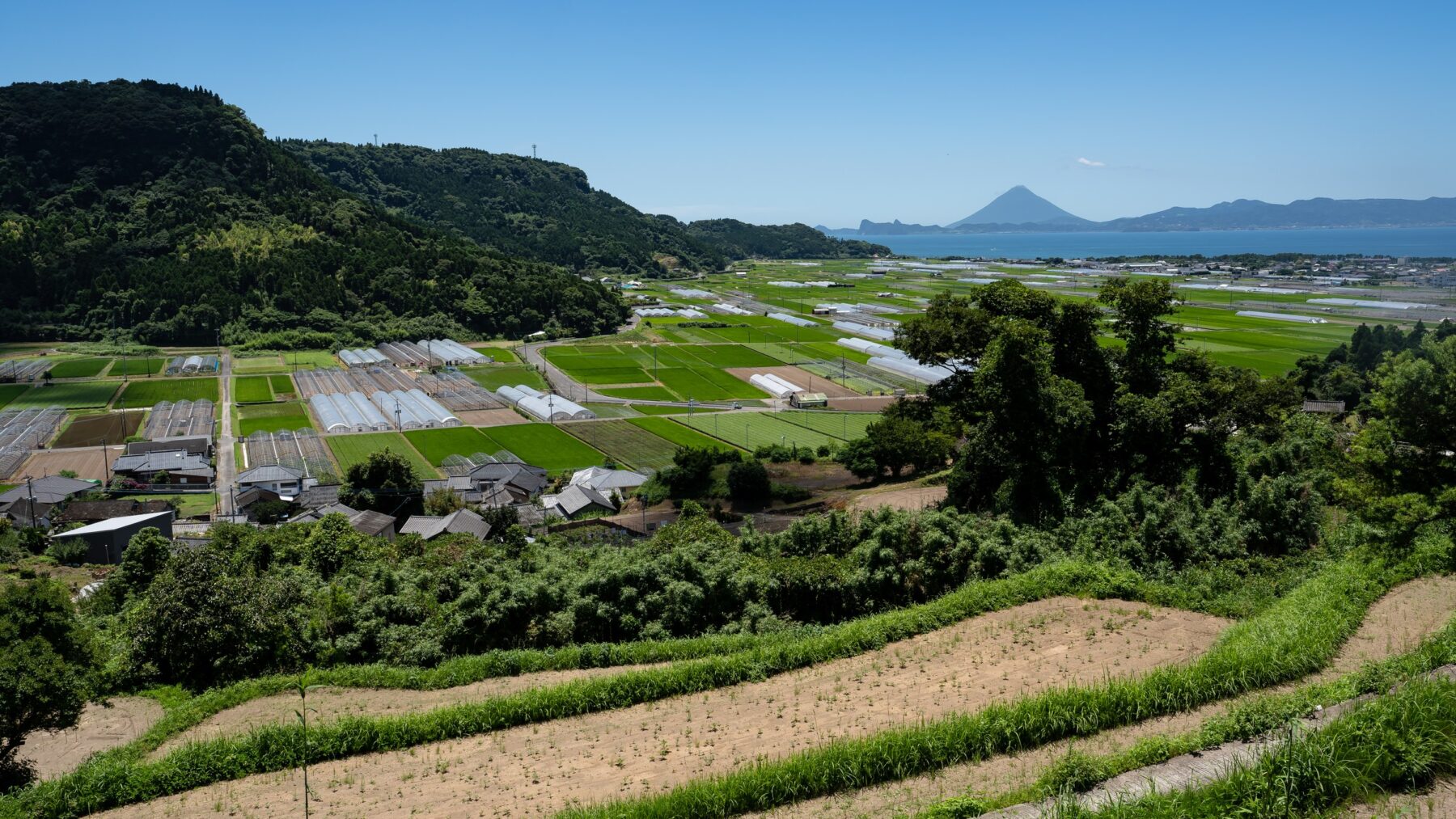
Japan is not a small country. It is longer than the distance from Scotland to Morocco, spans a subarctic north and a subtropical south, and contains 47 prefectures of which the average visitor sees four.
That is not a criticism — Tokyo and Kyoto are famous for reasons. But if you have been once, or you want your first trip to be less crowded than the photographs suggest, the question is not “what else is there” but “what do I actually want, and which prefecture does that best”.
This is that map.
At a glance
- Regions
- 8 — Hokkaido, Tohoku, Kanto, Chubu, Kansai, Chugoku, Shikoku, Kyushu and Okinawa
- Prefectures
- 47
- Where visitors go
- Tokyo, Kyoto, Osaka and one other, on 80% of first trips
- Least visited
- Tottori, Shimane, Saga, Tokushima, Fukui — all reachable, all good
- Rule of thumb
- Two nights minimum per prefecture. One night is a photograph, not a visit.
The eight regions in one line each
Hokkaido — the north island. Space, snow, seafood, and the only part of Japan that feels empty. Tohoku — the northern third of the main island. Mountains, festivals, hot springs, and almost no foreign visitors. Kanto — Tokyo and the six prefectures around it. Denser than anywhere on earth, with mountains an hour away. Chubu — the middle. The Japan Alps, the Fuji lakes, the Japan Sea coast, and the country’s best road trips. Kansai — Kyoto, Osaka, Nara, Kobe. The historical heartland and the food capital. Chugoku — western Honshu. Hiroshima on the Inland Sea side, the empty San’in coast on the other. Shikoku — the smallest main island. Pilgrimage routes, art islands, udon, and deep valleys. Kyushu and Okinawa — the south. Volcanoes, the best onsen in Japan, and then a subtropical archipelago.
Choose by what you want
You want the famous Japan, done well
Kyoto for temples and machiya streets. Nara for the older, quieter version of the same thing. Tokyo for the present tense. Kanagawa for Kamakura’s coastal temples and Hakone’s onsen.
Add Ishikawa — Kanazawa is what people hope Kyoto will be, with a quarter of the visitors.
You want mountains
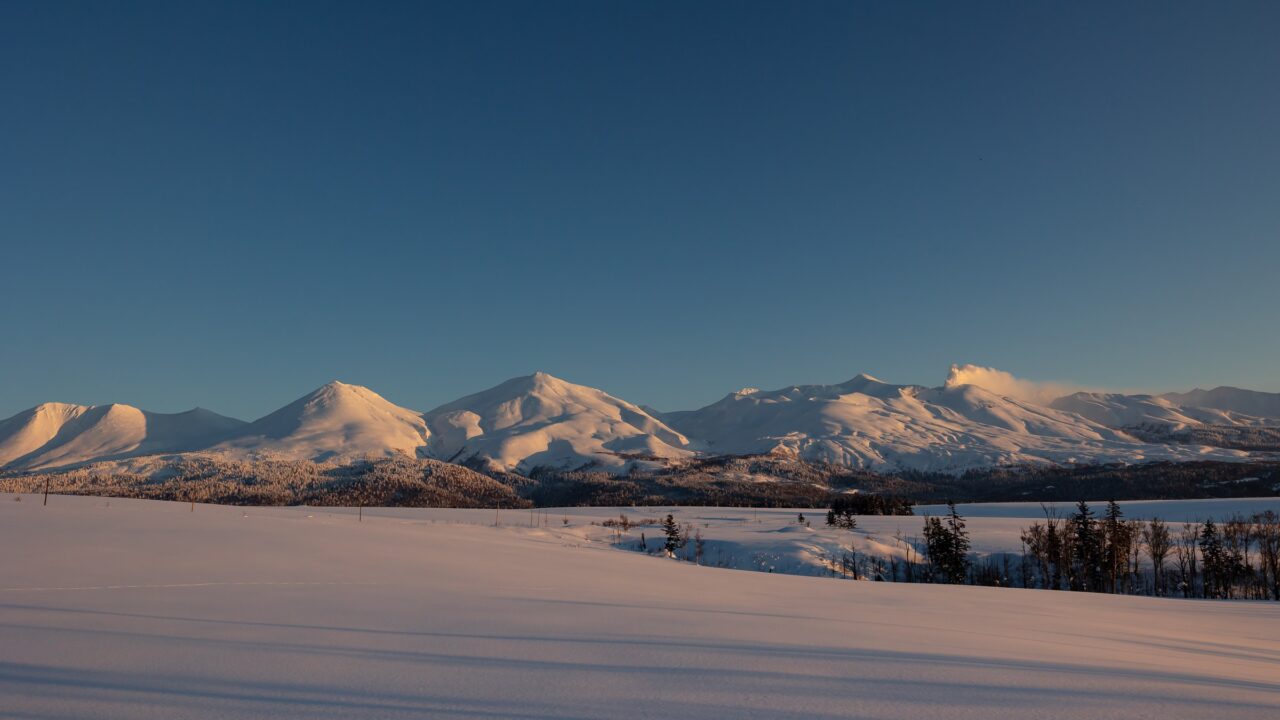
Nagano — the Japan Alps, snow monkeys, and the highest peaks outside Fuji. Toyama — the Tateyama Kurobe route, where snow walls stand twenty metres high into May. Gifu — Takayama, Shirakawa-go’s thatched farmhouses, and the Kiso valley post towns. Yamanashi — the Fuji Five Lakes, and the mountain seen properly rather than from a train.
You want to eat
Osaka — street food, and a city that defines itself by it. Fukuoka — tonkotsu ramen, and the yatai food stalls that appear on the river every evening. Hokkaido — seafood, dairy, lamb, and the best beer in Japan. Kagawa — udon, taken seriously enough that the prefecture unofficially renamed itself after it.
You want hot springs
Oita — Beppu and Yufuin. More hot spring water than anywhere else in Japan by a wide margin. Gunma — Kusatsu, the most concentrated sulphur spring in the country. Hyogo — Kinosaki, where you walk between seven public baths in a yukata. Akita — Nyuto Onsen, milky water in a beech forest, deep snow in winter.
You want to be alone
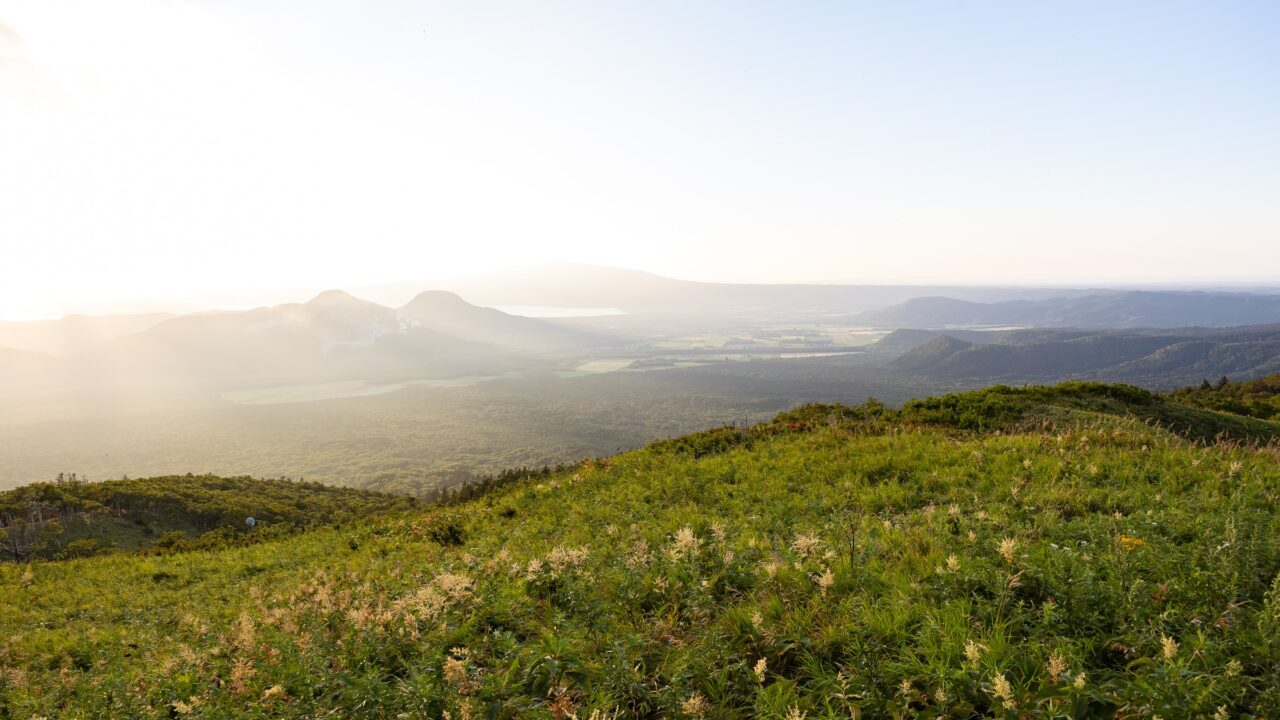
Tottori and Shimane — the San’in coast. Sand dunes, Japan’s oldest shrine, and near-zero foreign visitors. Fukui — dinosaurs, a great Zen monastery, and the best crab in the country. Kochi — the wild south of Shikoku, a river with no dams, and a very good market on Sundays. Aomori — the far north of Honshu, with the country’s biggest festival and its deepest snow.
You want beaches
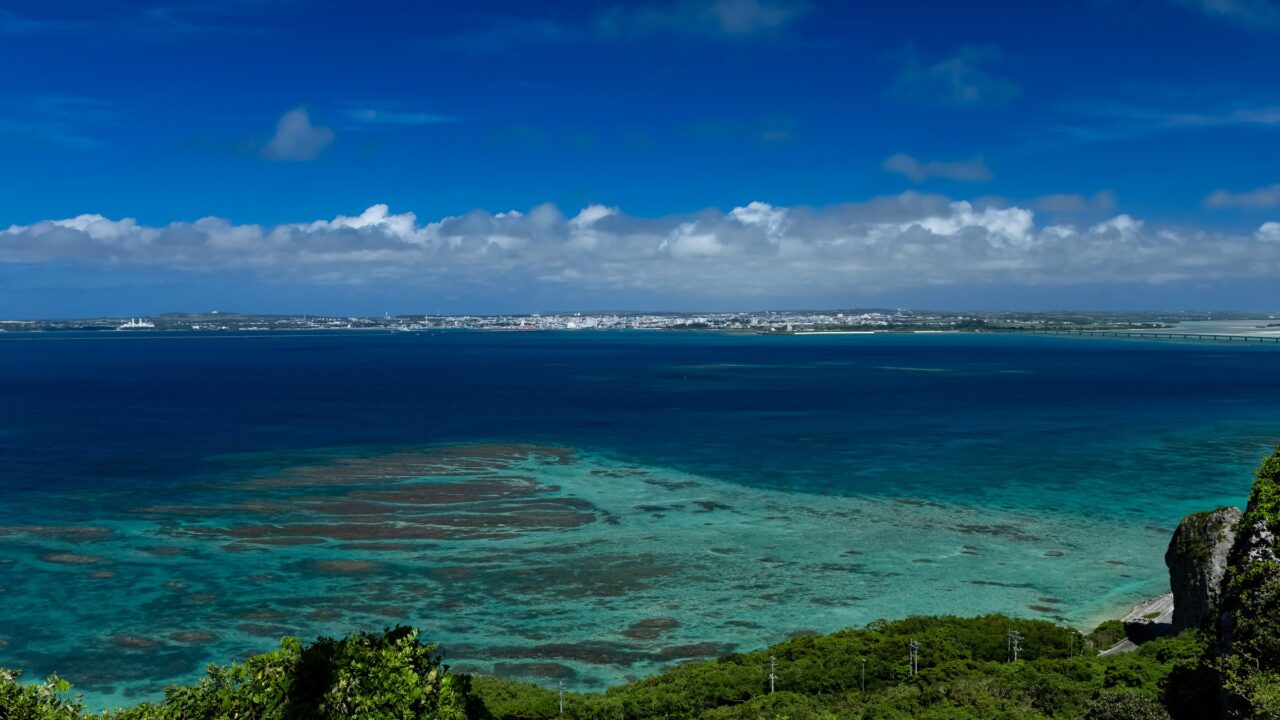
Okinawa — genuinely tropical, with the outer islands better than the main one. Kagoshima — the Satsuma peninsula and the road to Yakushima’s rainforest. Shizuoka — the Izu peninsula, which is where Tokyo goes for the sea.
You want art and architecture
Kagawa and Okayama — the Setouchi art islands, Naoshima and Teshima above all. Kanagawa — Yokohama, and the modern architecture along the bay. Ishikawa — the 21st Century Museum, and a craft tradition that never stopped.
You want winter
Hokkaido — Niseko and Furano for snow, Sapporo for the festival, and the drift ice at Abashiri. Nagano — Hakuba, the 1998 Olympic venues, and monkeys in a hot spring. Niigata — the heaviest snowfall of any inhabited region on earth, and the sake to go with it.
The 47, by region
| Region | Prefectures |
|---|---|
| Hokkaido | Hokkaido |
| Tohoku | Aomori, Iwate, Miyagi, Akita, Yamagata, Fukushima |
| Kanto | Ibaraki, Tochigi, Gunma, Saitama, Chiba, Tokyo, Kanagawa |
| Chubu | Niigata, Toyama, Ishikawa, Fukui, Yamanashi, Nagano, Gifu, Shizuoka, Aichi |
| Kansai | Mie, Shiga, Kyoto, Osaka, Hyogo, Nara, Wakayama |
| Chugoku | Tottori, Shimane, Okayama, Hiroshima, Yamaguchi |
| Shikoku | Tokushima, Kagawa, Ehime, Kochi |
| Kyushu & Okinawa | Fukuoka, Saga, Nagasaki, Kumamoto, Oita, Miyazaki, Kagoshima, Okinawa |
How to actually build a route
Pick your anchor — usually Tokyo or Osaka
Whichever you fly into. This is where the international flights and the Shinkansen network converge.
Pick one region, not four
A fortnight covers one region properly plus the anchor city. Trying to do Hokkaido and Kyushu in the same trip means spending two days on trains.
Check the geography, not the map
Japan is mountainous and the rail lines go around things. Nagano to Kanazawa is fast; Nagano to Niigata, which looks closer, is not.
Give each prefecture two nights
One night means arriving in the afternoon and leaving in the morning. Two nights gives you a full day.
Put the quiet place after the busy one
Kyoto then Kanazawa works. The reverse makes Kyoto feel like a station concourse.
Four routes that work
The classic (7 days). Tokyo, Kyoto, day trips to Nara and Osaka.
The loop (14 days). Tokyo, Hakone, Kanazawa, Takayama, Kyoto, Hiroshima.
The north (10 days). Tokyo, Sendai, Yamadera, Aomori, then a flight or the Shinkansen to Hokkaido.
The south (10 days). Osaka, Hiroshima, Fukuoka, Nagasaki, Kumamoto, Kagoshima — the Kyushu Shinkansen makes this one of the easiest long routes in Japan.
→ The classic 7-day Japan itinerary → 14 days in Japan: getting past Tokyo, Kyoto and Osaka
Questions people actually ask
Which prefecture should I add to a first trip?
Ishikawa for Kanazawa if you want more of what Kyoto offers with fewer people; Hiroshima if you want the Inland Sea and a day that will stay with you; Kanagawa for Hakone if you want an onsen night without a long journey.
Is it worth leaving the Tokyo–Kyoto corridor on a first trip?
For seven days, no — you will spend the time on trains. For ten days or more, yes, and it is what separates a good Japan trip from a great one.
Where can I go that has almost no foreign visitors?
Tottori, Shimane, Saga, Fukui, Tokushima and most of Tohoku outside the festival weeks. All are on the rail network and all are entirely manageable without Japanese, though English signage thins out.
How far is Hokkaido or Okinawa really?
Both need a flight and at least three nights. Tokyo to Sapporo is 1h 40m in the air; Tokyo to Naha is 2h 50m. Neither works as a side trip.
Do I need a car outside the cities?
For the Noto Peninsula, inland Kyushu, most of Hokkaido and the deeper Alps, yes. Everywhere else the trains reach, though rural services can be three a day.
Keep planning
Ghibli Park and the Ghibli Museum: How to Get Tickets
Two separate places, 350 kilometres apart, with two separate ticket systems and no tickets at the door. Both release on the 10th…
Kamakura and Enoshima: The Easiest Day Trip from Tokyo
An hour from Tokyo Station: a bronze Buddha from 1252, temples in the hills behind the town, and a tram that runs…
Nikko in a Day: The Shrines, the Lake, and Which Pass to Buy
Nikko is two day trips in one place: gilded shrines in the town, and a lake and a waterfall an hour above…