Hyogo: Himeji Castle, Kobe and Arima Onsen in Two Days
Japan's finest surviving castle, a port city rebuilt after an earthquake that changed the country, and a thousand-year-old hot spring twenty minutes behind it. All within an hour of Osaka.
 Signpost Japan
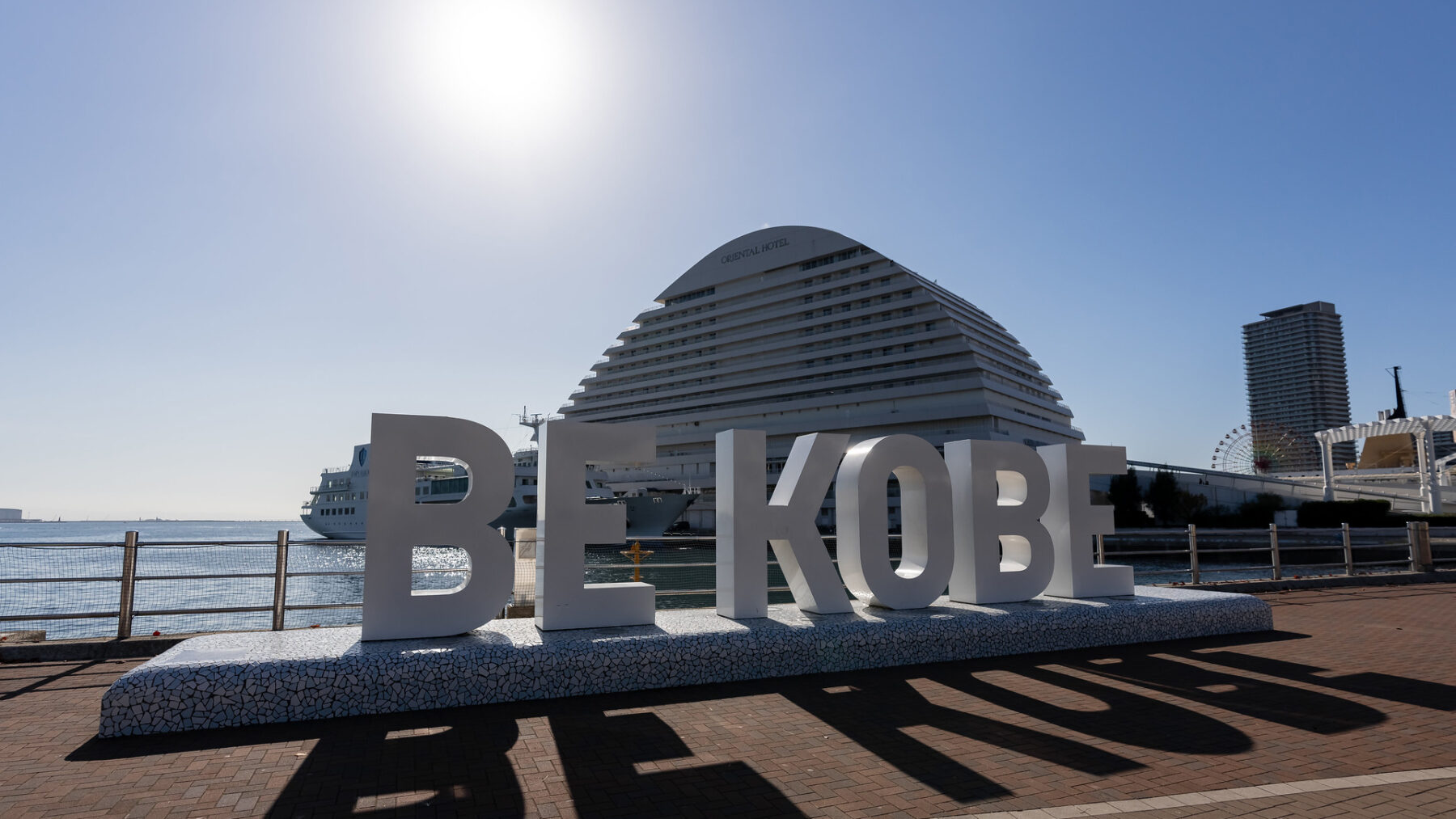
Hyogo runs from the Seto Inland Sea to the Sea of Japan, which makes it the only prefecture touching both coasts. Most visitors see one building in it — and it is worth the trip on its own — but the prefecture also holds Japan’s most cosmopolitan port city, one of its oldest hot springs, and a coastal onsen town that is arguably the most enjoyable in the country.
At a glance
- Days needed
- 1 day for Himeji, 2 to add Kobe and Arima
- Getting there
- Himeji 45 min from Osaka, Kobe 21 min. Both on the Sanyo Shinkansen and the JR Special Rapid.
- Getting around
- JR for the cities, a short subway and cable car to Arima
- Best months
- Any. Himeji’s cherry blossom in early April is exceptional.
- Rail pass
- JR West Kansai Area Pass covers Himeji and Kobe day trips from Kyoto or Osaka
- Famous for
- Himeji Castle, Kobe beef, Arima Onsen, Kinosaki
Himeji Castle
The best-preserved castle in Japan and the reason most people come to Hyogo. It is a National Treasure, a UNESCO World Heritage Site, and one of only twelve surviving original keeps.
Completed in its present form in 1609, it was never attacked, never burned, and survived both the 1945 firebombing of Himeji — a bomb landed on it and failed to explode — and the 1995 earthquake without structural damage.
It is called White Heron Castle for its white plaster walls and the way the roofs spread like wings. A five-year restoration completed in 2015 returned the plaster to its original brilliant white, which was controversial at the time for looking too new; a decade of weathering has settled it.
What to expect inside: six floors connected by very steep wooden stairs, low beams, weapon racks, and defensive details everywhere — angled gun ports, chutes for dropping stones, and a spiral approach designed so that attackers would be exposed to fire from three sides for the entire climb.
Practicalities:
- Fifteen minutes’ walk straight down the main avenue from Himeji Station, with the castle in view the whole way.
- Allow two hours, or three with Koko-en, the nine walled gardens next door.
- Entry around 1,000 JPY, or a combined ticket with Koko-en.
- Peak crowds are 11am to 2pm, and in blossom season the keep issues timed numbered tickets.
Kobe
Twenty minutes from Osaka, and a very different city from either Osaka or Kyoto.
Kobe was one of the first Japanese ports opened to foreign trade in 1868, and its identity has been outward-facing ever since. It has Japan’s oldest Chinatown (Nankinmachi), a hillside district of preserved Western merchant houses (Kitano Ijinkan), a mosque from 1935, and a jazz scene that dates to the 1920s.
The city is a narrow strip between mountains and sea, which makes it easy to navigate and gives it one of Japan’s best night views — the Mount Rokko and Mount Maya viewpoints, reached by cable car, look down on a city that curves along the water.
The 1995 earthquake
At 5:46am on 17 January 1995, an earthquake killed over 6,400 people, most of them in Kobe, and destroyed large parts of the city.
It changed Japan: it exposed serious failures in disaster response, transformed building standards, and — because official relief was slow — triggered the birth of Japan’s modern volunteer sector. 1995 is still called the “first year of the volunteer era”.
The Great Hanshin-Awaji Earthquake Memorial museum documents it clearly and without sentimentality. A preserved section of collapsed quayside at Meriken Park has been left exactly as it fell.
Kobe beef
Genuine Kobe beef is Tajima-strain wagyu raised in Hyogo prefecture to a defined standard, and only a few thousand cattle qualify each year. It is expensive, and it is also frequently misrepresented — worldwide, far more “Kobe beef” is sold than exists.
In Kobe itself, look for the certification mark. A teppanyaki lunch course starts around 6,000–10,000 JPY; dinner runs considerably higher. Restaurants near Sannomiya and in Kitano are the usual choices.
Arima Onsen
Thirty minutes behind Kobe by subway and cable car, on the far side of Mount Rokko — one of the three oldest hot springs in Japan, mentioned in the eighth-century Nihon Shoki, and patronised by Toyotomi Hideyoshi in the sixteenth century.
Two waters, from the same small town:
- Kinsen, “gold water” — iron- and salt-rich, opaque, a deep rust-brown, and hot.
- Ginsen, “silver water” — clear, carbonated and radium-bearing.
Two public bathhouses, Kin-no-yu and Gin-no-yu, let you try both for a few hundred yen each without staying overnight. The town itself is a few steep lanes of wooden buildings, small shops selling carbonated senbei, and about thirty ryokan.
It is the easiest genuine onsen town to reach from Osaka or Kyoto — closer than Hakone is to Tokyo.
→ Onsen for beginners: rules, tattoos and the small towel
Kinosaki Onsen
On the other coast, two and a half hours north, and worth its own trip.
Kinosaki’s arrangement is unusual: seven public bathhouses scattered along a willow-lined canal, and guests staying in the town’s ryokan walk between them in yukata and wooden geta, with a pass that admits them to all seven. The streets in the evening are full of people in dressing gowns clacking between baths.
Crab season, November to March, is when Japanese visitors come. Book ahead.
Suggested two days
Day 1 morning — Himeji Castle at 9am
Straight from the station. Two hours in the keep, then Koko-en gardens.
Day 1 afternoon — train to Kobe
Forty minutes. Kitano’s Western houses, Nankinmachi for an early dinner, then the Mount Maya night view.
Day 2 morning — the earthquake memorial and the port
Meriken Park and the memorial museum. Allow two hours.
Day 2 afternoon — Arima Onsen
Subway and cable car over the mountain. Both bathhouses, then back to Osaka or Kyoto in the evening.
Where to stay
Kobe Sannomiya — the transport hub and the best base for both days. Himeji — a handful of business hotels by the station if you want the castle at opening. Arima Onsen — ryokan, from modest to very expensive, and the town is small enough that all are convenient.
Most visitors do Hyogo as day trips from Kyoto or Osaka, which works well.
Combine it with
Himeji is on the Sanyo Shinkansen between Osaka and Hiroshima, so it slots in as a two-hour stop without any detour at all. Okayama is 20 minutes further west; Awaji Island and Shikoku lie across the bridge from Kobe.
→ Hiroshima and Miyajima in one day
Questions people actually ask
Is Himeji Castle worth a special trip?
Yes. It is the only Japanese castle where you get a complete original complex — keep, gates, walls, the defensive spiral — rather than a concrete reconstruction. Two hours from Kyoto and back is well spent.
Can I combine Himeji with Hiroshima in one day?
Yes, but it is a long day. Himeji at opening, back on the Shinkansen by noon, Hiroshima by early afternoon. Better as a stop on the way west with a night at each end.
Is Kobe beef worth the price?
As an experience, once, at a certified restaurant with a lunch course, yes. As a routine meal, no — Japan has excellent wagyu at a fraction of the price, and the certification premium is substantial.
Is Arima better than Hakone?
Smaller, older and much easier to reach from Kansai — thirty minutes rather than ninety. Hakone has the scenery and the loop; Arima has the water and the history.
Do I need to stay overnight in Arima?
No. The two public bathhouses let you visit for a few hundred yen each and be back in Osaka for dinner. Staying gets you a kaiseki meal and an evening in the lanes.
When is Himeji's cherry blossom?
Late March to early April, and the castle with blossom in front of it is one of the images of Japanese spring. Expect timed entry tickets and long queues that fortnight.
Keep planning
Ghibli Park and the Ghibli Museum: How to Get Tickets
Two separate places, 350 kilometres apart, with two separate ticket systems and no tickets at the door. Both release on the 10th…
Kamakura and Enoshima: The Easiest Day Trip from Tokyo
An hour from Tokyo Station: a bronze Buddha from 1252, temples in the hills behind the town, and a tram that runs…
Nikko in a Day: The Shrines, the Lake, and Which Pass to Buy
Nikko is two day trips in one place: gilded shrines in the town, and a lake and a waterfall an hour above…