The Japanese Year: Hanami, Tsuyu, Momiji and New Year
Japan pays more attention to the calendar than almost any country, and the whole population moves in step with it. What each season means, what people actually do, and how it changes your trip.
 Signpost Japan
Japan is unusually attentive to the passage of the year. Menus change, shop windows change, the flavours in convenience stores change, and a national conversation about the weather runs continuously — not as small talk but as genuine shared information.
Understanding the shape of the year explains why a place is crowded, why a dish appears in March and vanishes in May, and why the whole country is on a train in the middle of August.
At a glance
- Spring
- Blossom, new school and business year from 1 April, and Golden Week
- Summer
- Rainy season, then heat, festivals and fireworks. Obon in mid-August.
- Autumn
- The best weather, autumn colour, harvest food
- Winter
- Clear and cold, illuminations, and New Year, which stops the country
- The three to avoid
- Golden Week, Obon, and 28 Dec – 4 Jan
- The concept
- Shun — the moment an ingredient or a season is at its peak
Spring
Hanami
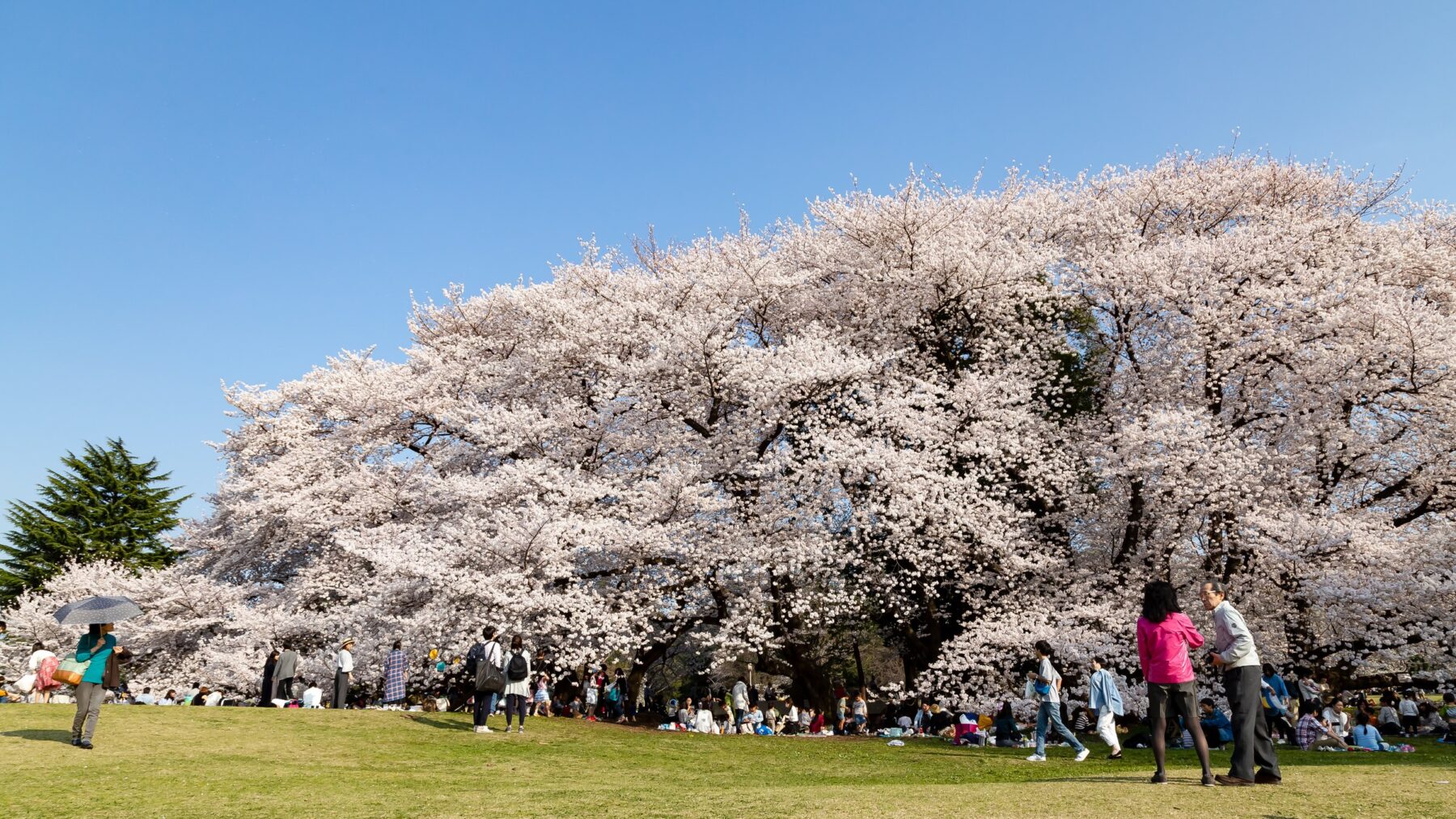
Cherry blossom viewing, and it is a social activity rather than a scenic one. Groups lay out sheets under the trees in parks and eat, drink and stay for hours. Companies traditionally send a junior employee ahead in the morning to hold a spot.
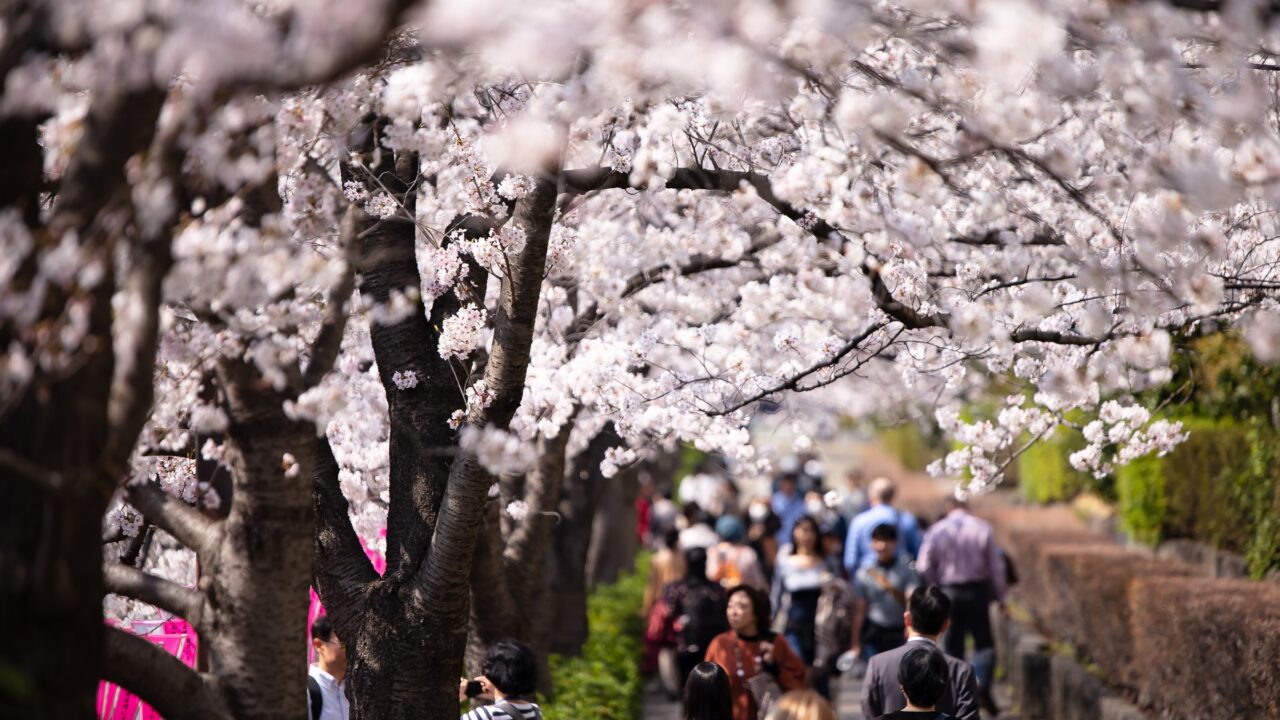
The blossom lasts about a week at full bloom, moves north across the country from mid-March to early May, and is forecast nationally from January with the seriousness of a weather warning.
What people actually do: bento, beer, plastic sheets, portable speakers turned low. Evening viewing under lights is yozakura.
As a visitor: join in. Buy a hanami bento from a department store basement — they appear specifically for this — find a park, and sit down. Nobody will find it odd.
→ When to visit Japan: month-by-month weather, crowds and prices
The first of April
Japan’s fiscal, academic and corporate year all begin on 1 April. School years start, new graduates join companies on the same day in identical suits, and transfers move families across the country.
This is why the blossom is so heavily loaded with meaning here: it coincides exactly with beginnings and partings.
Golden Week
Four public holidays between 29 April and 5 May, producing the largest domestic travel surge of the year. Trains and hotels book out and prices roughly double.
If you are in Japan then, stay put in one city rather than trying to move.
Summer
Tsuyu
The rainy season, arriving in most of the country in early to mid-June and lifting in mid-July. It does not rain all day — it rains hard for a few hours.
Hydrangeas are the compensation, temples in rain are genuinely better, and prices and crowds are both low. Hokkaido has no rainy season.
The heat
July and August in the cities are 33–35°C with high humidity, and it is harder than the numbers suggest. Japan takes this seriously: convenience stores sell salt tablets, cooling sheets and towels, and heatstroke warnings are issued daily.
Cultural responses worth adopting: a hand towel, a folding fan, mugicha (cold barley tea), and an indoor afternoon.
Matsuri and hanabi
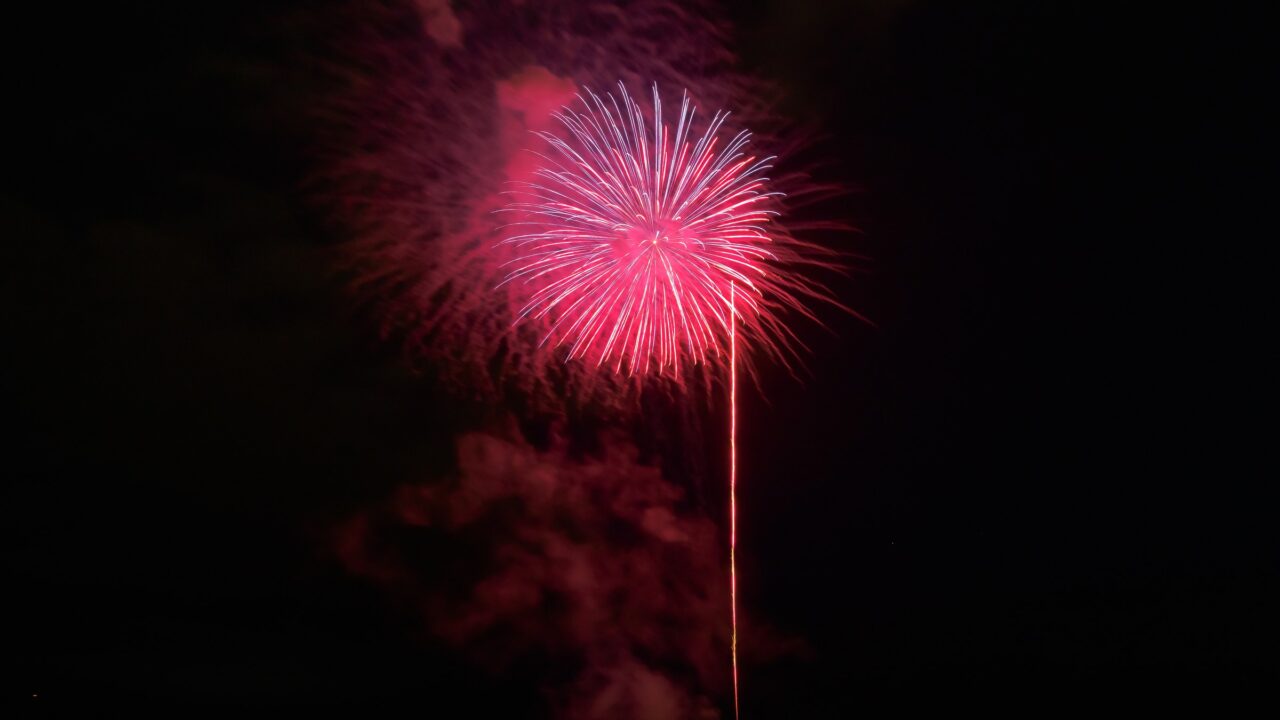
The festival season. Every neighbourhood shrine holds something, the great festivals run through July and August, and fireworks displays occupy weekend evenings.
→ Matsuri: what happens at a Japanese festival and how to join in
Obon
Around 13–16 August, when the spirits of ancestors are said to return home. Families travel to their home towns, clean graves, and hold memorial services. Some regions light welcoming and sending fires; Kyoto’s Gozan no Okuribi on 16 August burns enormous characters into five hillsides.
The whole country moves at once. Transport is booked solid and many small businesses close.
Autumn
Momiji
Autumn colour, moving in the opposite direction to the blossom — from Hokkaido in late September to Kyushu in early December, reaching Kyoto in the second half of November.
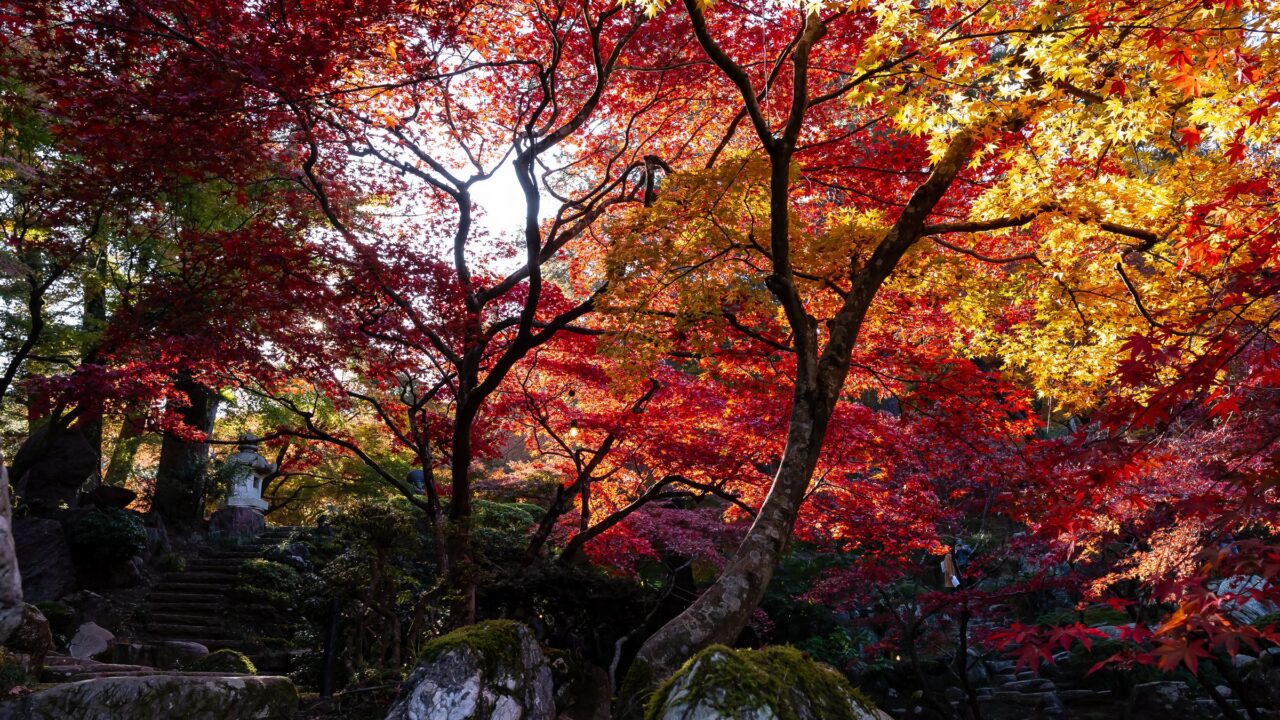
It lasts considerably longer than the blossom and is, many Japanese people will tell you privately, better. Kyoto in late November is as crowded as it is in April.
Evening illuminations at temples are a major autumn activity.
Harvest and shun
Autumn is shokuyoku no aki, the autumn of appetite. New rice, matsutake mushrooms, chestnuts, persimmons, sanma (Pacific saury) and sweet potato all arrive, and menus change completely.
Tsukimi, moon viewing, falls in September — round foods, and a rabbit that Japanese tradition sees in the moon pounding rice cakes.
Culture and sport
October and November are the season of school sports days, cultural festivals and, for children, the Shichi-Go-San shrine visits in November where three-, five- and seven-year-olds are dressed in formal kimono. Shrines on the nearest weekend to 15 November are full of extremely small children in extremely good clothes.
Winter
Illuminations
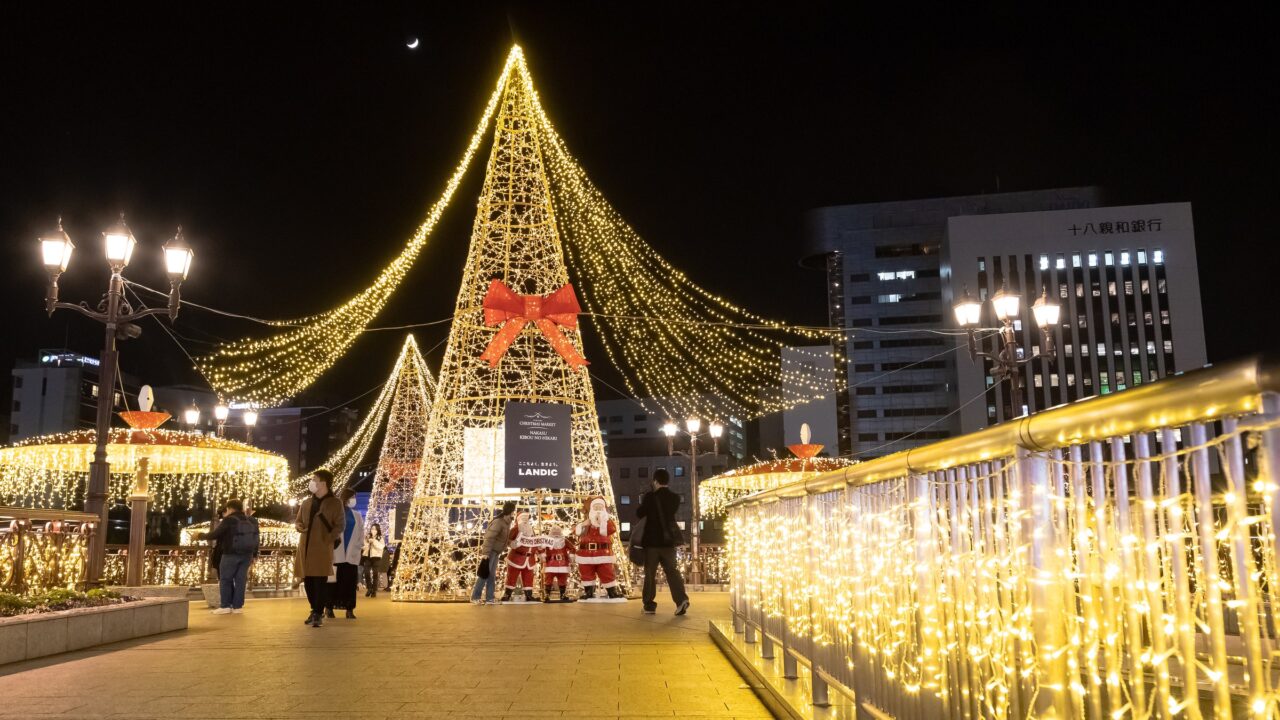
From November through February, cities install large-scale LED displays — in Tokyo’s Marunouchi and Roppongi, at Nabana no Sato in Mie, and in Kobe. It is a genuine seasonal activity rather than a Christmas one.
Christmas
Not a public holiday and not a family occasion. It is a couples’ evening, with restaurant bookings made months ahead, and — because of a spectacularly successful 1974 marketing campaign — a national tradition of eating KFC on Christmas Eve. Orders are placed weeks in advance.
Christmas cake, a sponge with cream and strawberries, is sold everywhere on the 24th and 25th and discounted heavily on the 26th.
Oshogatsu
New Year is the most important holiday in the Japanese calendar, and the country genuinely closes from around 28 December to 4 January.
What happens:
- Osoji — a thorough house cleaning before the year turns.
- Toshikoshi soba on the evening of the 31st — long noodles for a long life, and easily cut, to sever the year’s misfortunes.
- Joya no Kane — temple bells rung 108 times at midnight, once for each earthly desire.
- Hatsumode — the first shrine visit of the year, made by tens of millions of people in the first three days. Meiji Jingu in Tokyo alone receives around three million.
- Osechi ryori — a lacquered box of preserved dishes, each symbolic, eaten over the first days because nobody should have to cook.
- Otoshidama — envelopes of money given to children.
As a visitor: the first days of January are quiet in an unusual way — shops shut, restaurants closed, and streets emptier than at any other time. Shrines are the exception and are extraordinary. It is a strange and rather good time to be here if you plan for the closures.
Setsubun
3 February, marking the end of winter in the old calendar. Roasted soybeans are thrown out of the door — oni wa soto, fuku wa uchi, “demons out, fortune in” — and you eat one bean for each year of your age. Temples hold large public bean-throwing events.
The concept underneath all of it
Shun (旬) — the narrow window when something is at its peak. It applies to ingredients most obviously, but also to flowers, to weather and to activities.
The corollary is that Japan does not much go in for having things all year round. Strawberries appear in winter, eel in midsummer, crab from November. When something is in season, it is everywhere; when it is not, it is gone.
This is worth knowing as a traveller because it means the same trip in two different months is genuinely a different trip — not just in weather, but in what you eat, what is open, what is decorated and what everyone is talking about.
Questions people actually ask
What are the three periods to avoid?
Golden Week (29 April–5 May), Obon (around 13–16 August) and New Year (28 December–4 January). Transport books out and prices roughly double.
Is New Year a good or bad time to visit?
Both. Shops and restaurants close and transport is packed on the travel days, but shrines at hatsumode are extraordinary and the cities are quieter than at any other time. Plan around the closures.
Can I join a hanami party?
You can hold your own — buy a sheet at a 100-yen shop and a bento from a department store basement, and sit in any park. Joining a stranger’s group is not the norm, though it happens.
Is autumn colour better than cherry blossom?
It lasts far longer — weeks rather than one week — and is more reliably timed. Many Japanese people quietly prefer it. It is equally crowded in Kyoto.
Why is Christmas about KFC?
A 1974 marketing campaign, “Kentucky for Christmas”, filled a gap in a country with no Christmas food tradition. It stuck completely, and orders are now placed weeks ahead.
What is the quietest time to visit?
Late January and February, outside the ski areas. Cheapest accommodation, clearest air, and the famous sites are close to empty.
Keep planning

Matsuri: What Happens at a Japanese Festival and How to Join In
Portable shrines carried by four hundred people, illuminated paper warriors, and a dance anyone can join. The dozen festivals worth planning a…
Tipping in Japan, and Why Nobody Wants Your Money
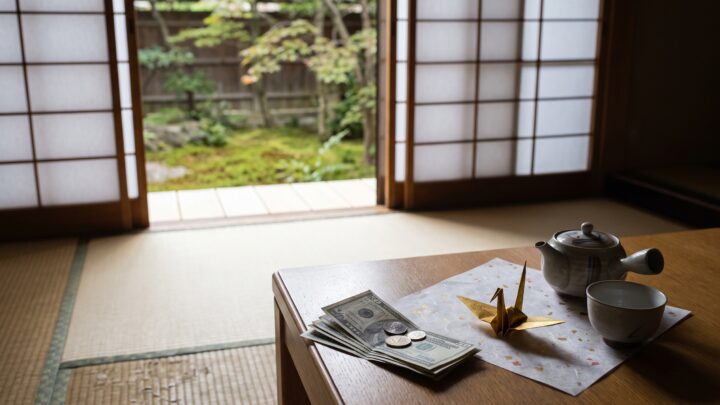
There is no tipping in Japan, in any situation, and attempting it causes a small crisis. Here is why, what the charges…
On Trains, in Queues, with Rubbish: Public Behaviour in Japan
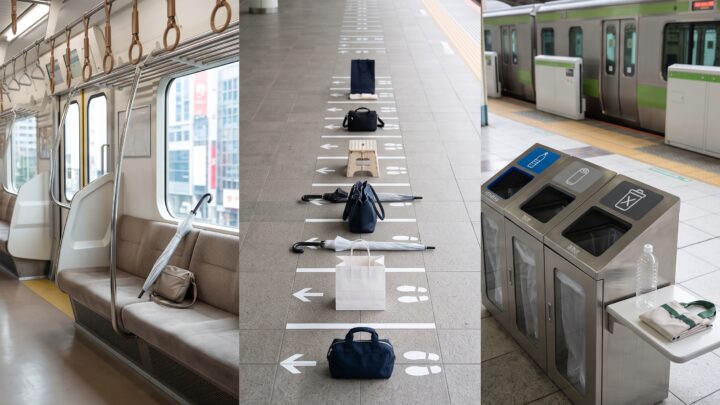
Why Japanese trains are silent, why there are no bins, and why the escalator side changes between Tokyo and Osaka. The public…