Tokyo for First-Timers: Neighbourhoods, Days and Costs
Tokyo is not a city with sights; it is thirty cities stitched together. Pick two neighbourhoods a day and walk them properly — here are the ones worth your days, in the order that makes sense.
 Signpost Japan
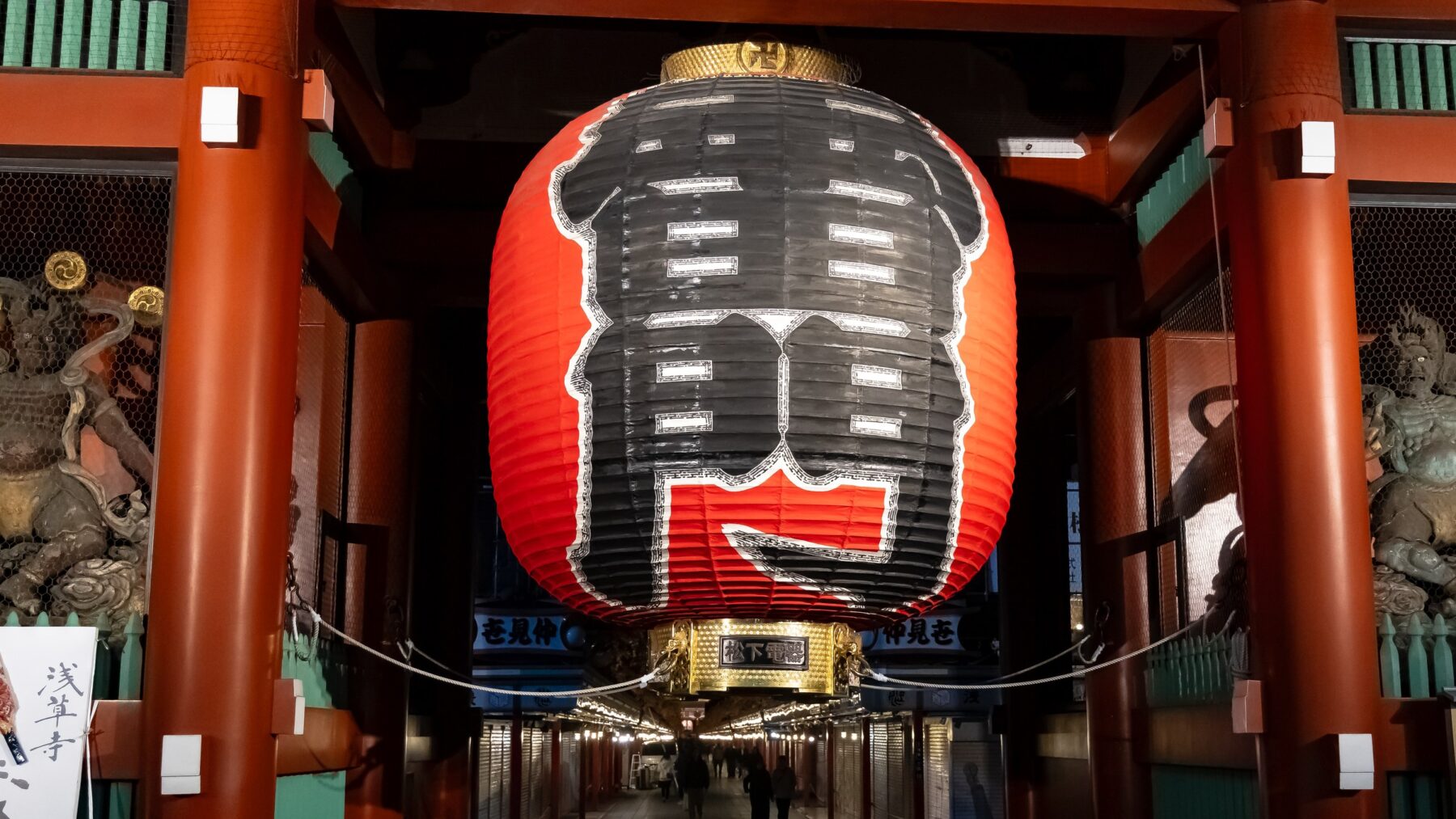
The mistake everyone makes in Tokyo is treating it like a checklist. You cross the city four times in a day, see five famous things for twenty minutes each, and come away with the impression of an enormous place you did not meet.
Tokyo is a collection of former villages that grew together. Each has a station, a character and about four hours of interest. Two neighbourhoods a day, walked properly, is the way to see it.
At a glance
- Days needed
- 3 minimum, 5 to feel unhurried
- Main gateway
- Haneda (30 min to the city) or Narita (60–90 min)
- Best areas to stay
- On or just inside the Yamanote loop — Ueno, Asakusa, Shinjuku, Ginza
- Getting around
- IC card. The Yamanote loop plus three subway lines covers almost everything.
- Daily budget
- 14,000–20,000 JPY mid-range
- Best months
- March–May, October–November
How Tokyo is arranged
The Yamanote line is a green loop around the centre, and almost everything a visitor wants sits on it or one stop inside it. Learn the loop and the city organises itself.
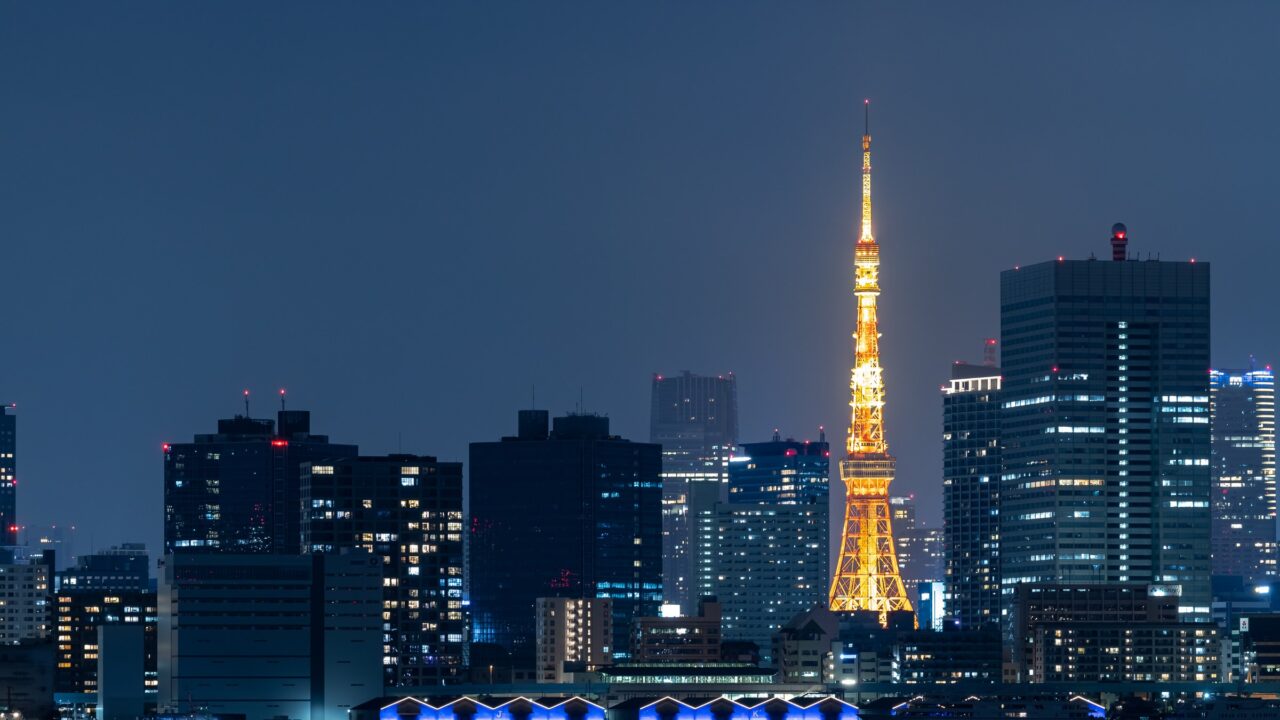
Roughly: the east (Asakusa, Ueno, Nihonbashi) is the old low city, shitamachi, closer to the Edo past. The west (Shibuya, Shinjuku, Harajuku) is the twentieth-century city — commerce, youth culture, neon. The south (Ginza, Shinagawa) is money. The north (Ikebukuro, Yanaka) is where Tokyoites actually live.
→ Tokyo trains explained: JR, Metro, Toei and the private lines
The neighbourhoods worth your days
Asakusa — the old east
Senso-ji, Tokyo’s oldest temple, founded in 628. Go at seven in the morning: the grounds never close, Nakamise shopping street is empty, and the light is good. By ten it is one of the busiest places in Japan.
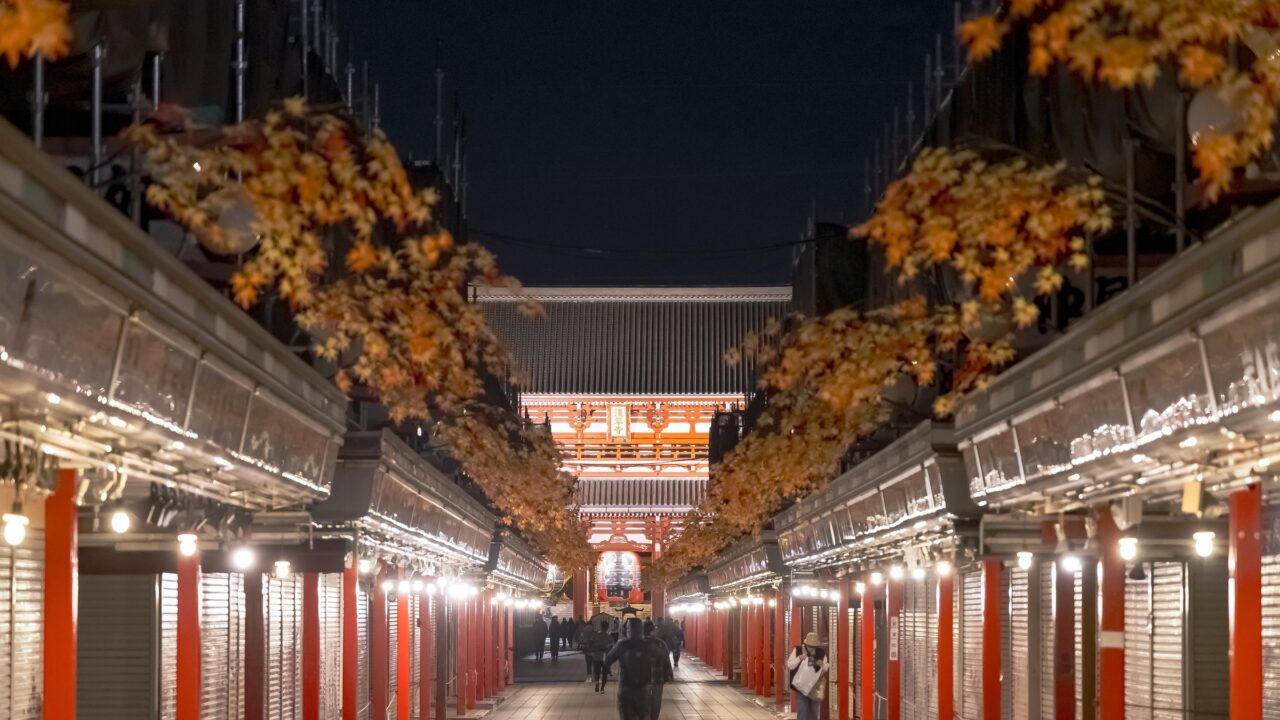
Behind the temple is a grid of small streets with craft shops, tempura restaurants that have been there a century, and Kappabashi — the kitchenware street where restaurants buy their knives and their plastic food models.
Half a day. Best before 9am.
Ueno and Yanaka — museums and the surviving city
Ueno Park holds the Tokyo National Museum, which is the best single hour of context you can get before going to Kyoto, plus the science museum and a zoo. Ameyoko market under the railway is loud and cheap.
Walk twenty minutes north to Yanaka, one of the few districts that survived both the 1923 earthquake and the 1945 bombing: wooden houses, a large cemetery, temples, cats, a shopping street with no chains.
A full day, or half if you skip the museums.
Shibuya and Harajuku — the modern west
The Shibuya crossing is worth ten minutes and a coffee from the second floor of the Starbucks. Then get away from it — the streets north towards Yoyogi and east towards Ebisu are where the city actually is.
Harajuku: Takeshita Street for the spectacle, Cat Street and Ura-Harajuku for the shops people actually buy from. Meiji Shrine sits in 70 hectares of planted forest — 100,000 trees donated from across Japan in the 1920s — and the walk in is the point.
A full day.
Shinjuku — density
The busiest railway station in the world, and a district that changes completely every four blocks. Shinjuku Gyoen is the best garden in central Tokyo and costs 500 JPY. Omoide Yokocho and Golden Gai are alleys of tiny bars, six seats each, under and beside the tracks.
The Metropolitan Government Building has a free observation deck at 202m — better value than the paid towers, and on a clear winter morning you can see Fuji.
An evening, plus a morning for the garden.
Ginza and Nihonbashi — the expensive city
Department stores with food halls in the basement that are worth visiting purely as an exhibition of what Japan does with food. Camera shops, stationery shops, and the flagship stores of everything.
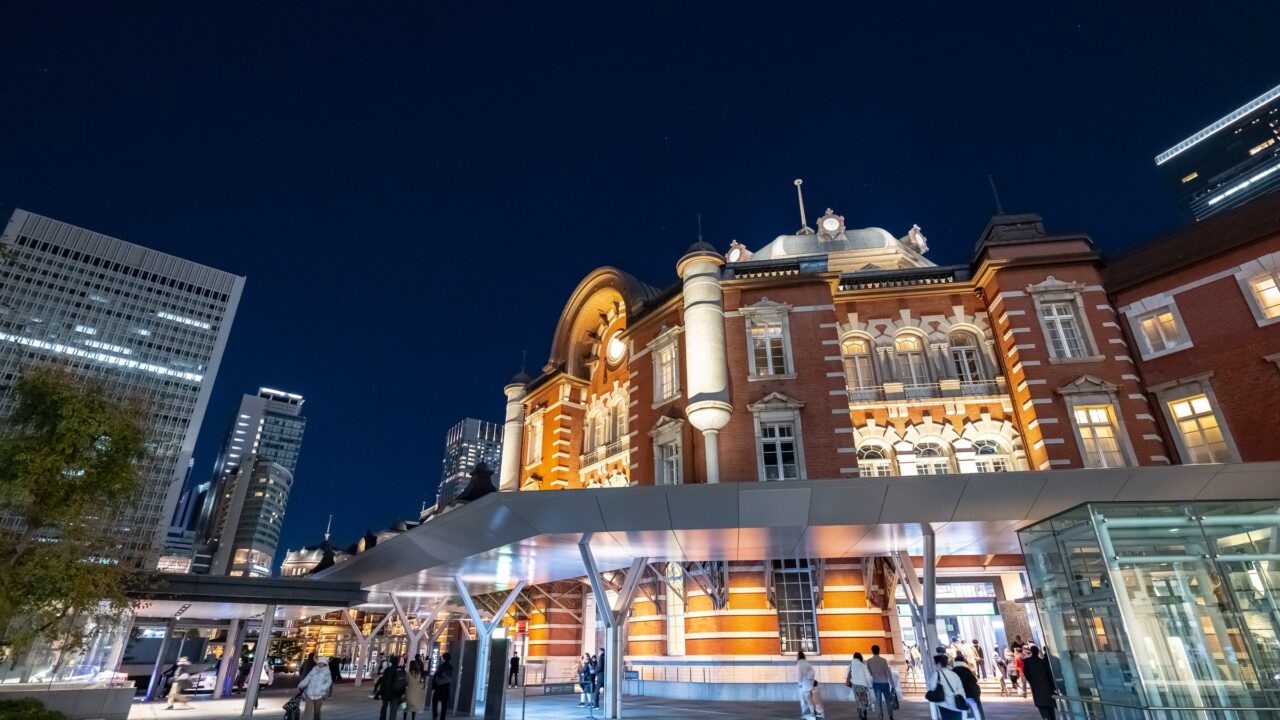
Tsukiji outer market is nearby and still working, even though the wholesale auction moved to Toyosu. Eat standing up, before nine.
Half a day.
Shimokitazawa, Nakameguro, Kiyosumi — the fourth day
If you have more than three days, these are where the city is most liveable: second-hand clothes and coffee in Shimokitazawa, a canal lined with cherry trees in Nakameguro, a classical garden and a contemporary art museum in Kiyosumi.
Three days, arranged
Day 1 — the east
Senso-ji at 7am, Kappabashi, then Ueno Park and the National Museum. Yanaka in the late afternoon. Dinner in Ueno or Asakusa.
Day 2 — the west
Meiji Shrine early, Harajuku’s back streets, Shibuya in the afternoon. Shinjuku after dark — the government building deck, then Omoide Yokocho.
Day 3 — choose one
Either the expensive city (Ginza, Tsukiji, a department store basement) or the liveable city (Shimokitazawa and Nakameguro). Or a day trip: Kamakura, Nikko or Hakone are all under two hours.
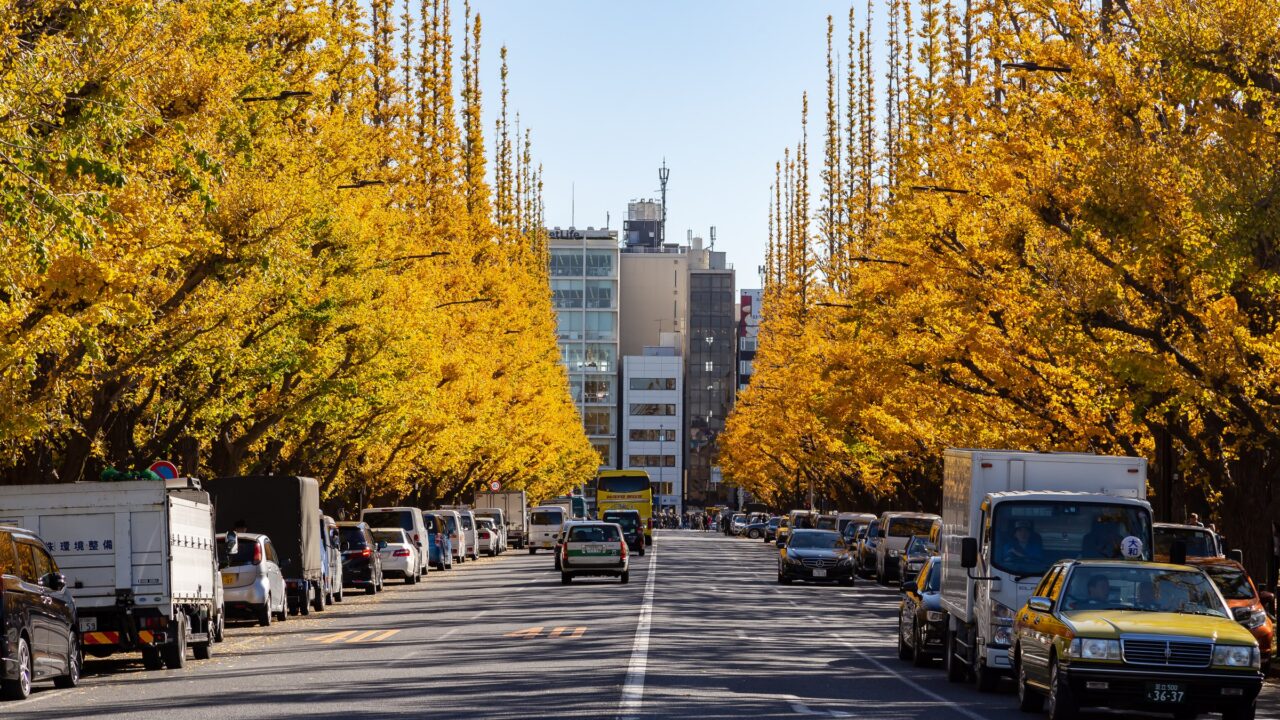
Day trips from Tokyo
| Destination | Time | What for |
|---|---|---|
| Kamakura | 1h | Coastal temples, the Great Buddha, hiking trails |
| Nikko | 2h | Tosho-gu shrine, cedar avenues, waterfalls |
| Hakone | 1h 30m | Onsen, the mountain loop, Fuji views |
| Kawagoe | 30m | An intact Edo merchant town, “Little Edo” |
| Yokohama | 30m | Chinatown, the waterfront, a very good ramen museum |
| Mount Takao | 1h | An easy mountain with cedar forest and a temple |
→ Hakone: the onsen loop from Tokyo
What to eat
Tokyo has more Michelin stars than any city in the world, and that is the least interesting thing about eating here.
- Standing soba at a station — 400 JPY, ninety seconds, genuinely good.
- Monjayaki in Tsukishima, a Tokyo dish found almost nowhere else.
- Department store basements — go at 7pm when the prepared food is discounted.
- Yakitori under the tracks at Yurakucho.
- Tsukemen — thick dipping noodles, a Tokyo invention.
→ Sushi, ramen, udon, soba: what to eat where
Where to stay
Anywhere on or just inside the Yamanote loop, within five minutes of a station.
- Ueno / Asakusa — cheapest, good for the east, excellent transport.
- Shinjuku / Shibuya — convenient and loud.
- Ginza / Nihonbashi — quiet in the evening, expensive.
- Ikebukuro — good value, well connected, unglamorous.
→ Where to stay in Japan: hotel, ryokan, business hotel or minpaku
Combine it with
Kanagawa for Hakone and Kamakura, Tochigi for Nikko, Saitama for Kawagoe — all day trips. For a longer route, Tokyo is the northern anchor of the classic week to Kyoto, and the eastern end of the Hokuriku Shinkansen to Kanazawa.
Questions people actually ask
How many days do I need in Tokyo?
Three to see the main neighbourhoods, five to feel unhurried and fit in a day trip. Two is enough only if Tokyo is a stopover.
Is Tokyo overwhelming?
Less than expected. It is clean, quiet by big-city standards, extremely safe, and well signposted in English. The scale is the challenge, not the chaos.
Which is better, the Skytree or Tokyo Tower?
Neither, for most people. The free deck at the Metropolitan Government Building in Shinjuku gives you the same city for nothing, and the Shibuya Sky rooftop is the better paid option.
Where can I see Mount Fuji from Tokyo?
On clear winter mornings from any high building on the west side of the city. It is far more reliable from Hakone or the Fuji Five Lakes.
Is Tokyo expensive compared with the rest of Japan?
Accommodation, yes, by roughly 20–30%. Food and transport, barely. A bowl of ramen costs the same in Shinjuku as in Sendai.
What is the one thing people regret missing?
An ordinary residential neighbourhood at seven in the evening. Yanaka, Shimokitazawa or Koenji, when people are coming home. It is the version of Tokyo that no landmark shows you.
Keep planning
Ghibli Park and the Ghibli Museum: How to Get Tickets
Two separate places, 350 kilometres apart, with two separate ticket systems and no tickets at the door. Both release on the 10th…
Kamakura and Enoshima: The Easiest Day Trip from Tokyo
An hour from Tokyo Station: a bronze Buddha from 1252, temples in the hills behind the town, and a tram that runs…
Nikko in a Day: The Shrines, the Lake, and Which Pass to Buy
Nikko is two day trips in one place: gilded shrines in the town, and a lake and a waterfall an hour above…