Your First 24 Hours in Japan, Hour by Hour
Landing, SIM, cash, IC card, hotel, and something good to eat — in the right order, without overpaying at the airport or collapsing at 4pm. What to do with the day you always waste.
 Signpost Japan
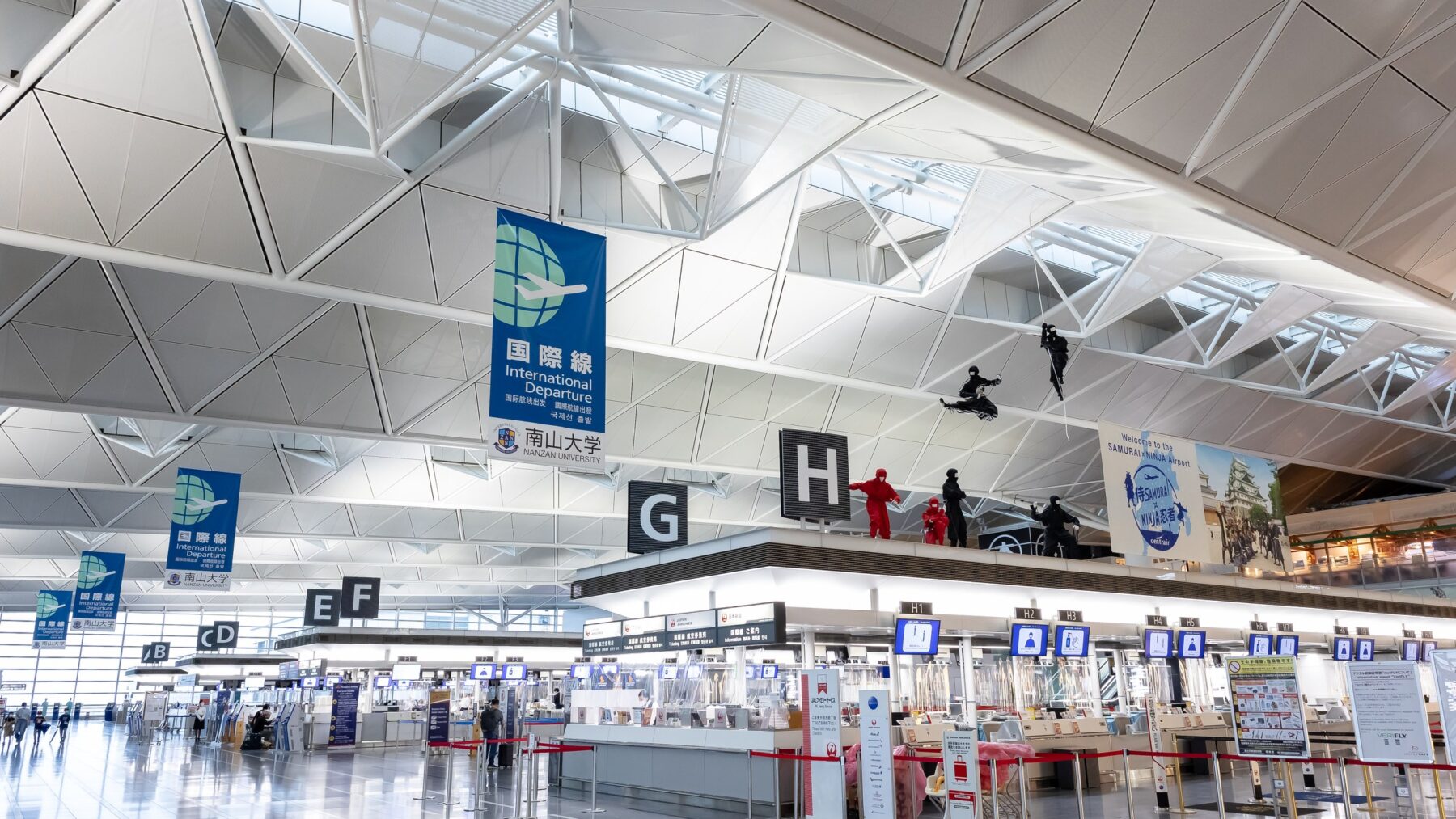
The first day of a trip to Japan is usually wasted. You land tired, spend two hours on logistics, check into a hotel at 3pm, sleep, wake at 2am and spend the next three days out of phase.
It does not have to go that way. Here is the first twenty-four hours, in order, with the decisions already made.
At a glance
- At the airport
- IC card, cash, connectivity — about 25 minutes
- Skip at the airport
- Currency exchange counters, rail passes you have not costed
- Luggage
- Forward it to the hotel and go sightseeing with a day bag
- Jet lag rule
- Stay up until 9pm local, whatever it takes
- First dinner
- Somewhere close, cheap and good. Not the meal of the trip.
Before you land
Fill in Visit Japan Web and screenshot the QR codes. Set your phone’s clock to Japan time as you board and start thinking in it.
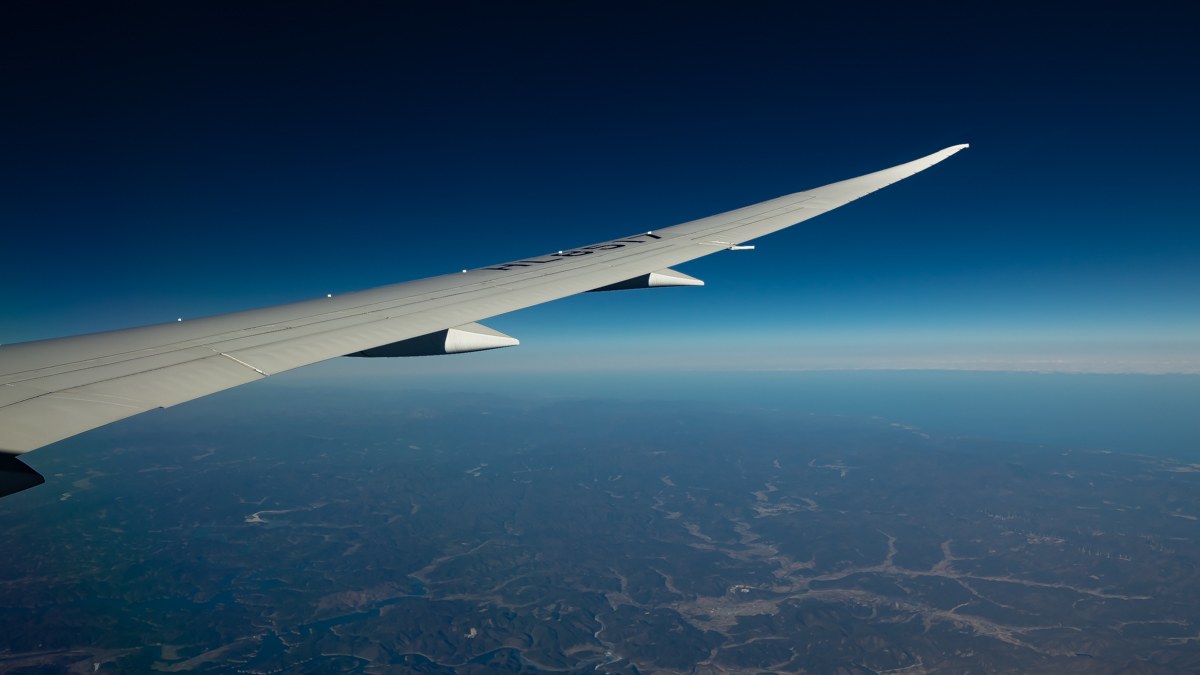
On the aircraft, drink water and skip the alcohol. This is boring advice that works.
Hour 0 — immigration and customs
Scan your immigration QR code, get photographed and fingerprinted, collect your landing sticker. Then customs, second QR code, and out.
With Visit Japan Web this takes about twenty minutes at Haneda and thirty to fifty at Narita and Kansai depending on how many wide-bodies landed with you.
Hour 1 — the airport, in order
Do these four things in this order, in the arrivals hall, before you go anywhere.
Cash from a 7-Bank ATM
In the arrivals hall of every major airport. It reliably accepts foreign cards and has an English interface. Take 20,000–30,000 JPY. Ignore the currency exchange counters — the ATM rate is better.
Buy an IC card at the station ticket machines
Welcome Suica at Narita and Haneda, ICOCA at Kansai. Load 5,000 JPY. This is the single most useful thing you will buy today.
Turn on your eSIM, or rent Wi-Fi
If you bought an eSIM before flying, activate it now. If not, the SIM and pocket Wi-Fi counters are in arrivals — more expensive, but functional.
Forward your suitcase to the hotel
The luggage counters in arrivals will deliver a case to a city hotel, often the same evening, for around 2,000–2,500 JPY. This converts your afternoon from a hotel errand into sightseeing.
Hour 2 — into the city
Take the train. Which one depends on where you are sleeping, and the choice matters more than people expect — the wrong option from Narita costs an hour and 2,500 JPY.
→ Airport to city: Narita, Haneda, Kansai, Chubu, Fukuoka, New Chitose
Sit by the window. The run in from any Japanese airport is a good first look at the country — rice paddies giving way to housing, then the density arriving all at once.
Hour 3 — do not go to the hotel
Check-in is usually 3pm and your room will not be ready. Your suitcase is already on its way there.
Instead: leave your day bag in a coin locker at the station nearest your hotel, and go outside.
The temptation is to lie down. Resist it. If you sleep now you will be awake at 2am for three nights.
Hours 4–7 — the first afternoon
Pick something close, outdoors and undemanding. Not the big-ticket sight — you will not have the attention for it, and it deserves better.
Good first afternoons:
- Tokyo: the Meiji Shrine woods and then Takeshita Street; or Yanaka’s old streets; or simply walking the length of a shopping arcade.
- Kyoto: Nishiki Market, then the Kamo river bank northwards.
- Osaka: Dotonbori and the streets behind it.
- Fukuoka: the Ohori Park loop, then Nakasu.
Buy something from a convenience store while you are out. The konbini is where Japan explains itself: rice balls in engineered wrappers, thirty kinds of cold tea, a hot food counter, an ATM, a photocopier, and a bin — one of the few in the country.
→ Konbini food: what to buy at 7-Eleven, Lawson and FamilyMart
Hour 8 — check in
Your room will be smaller than you expect and better organised than you expect. Business hotels in particular are miracles of compression: a unit bathroom, a desk, good blackout curtains, and everything within reach of the bed.
Find the coin laundry now, before you need it — most business hotels have one on an upper floor.
Your suitcase should be at the front desk.
Hour 9 — the first dinner
Keep it simple, close and cheap. Ramen, a rice bowl, a set meal at a place with a ticket machine. Save the expensive meal for night three when you can taste it.
Ordering is easier than you fear: many places have plastic food models in the window, photo menus, or a vending machine where you press a picture, take the ticket and hand it over.
→ How to order in a Japanese restaurant without Japanese
Enough to get dinner
Hour 10 — the bath, then sleep
If your hotel has a large communal bath — Dormy Inn and many business hotels do — use it. Twenty minutes in hot water after a long-haul flight resets you in a way a shower does not.
Then sleep, aiming for 9 or 10pm local. You have earned it, and you will wake up roughly in phase.
Day two — the actual start
Wake early. You will anyway. Japan at 6am is one of its best versions: temples open, markets working, streets being swept, almost nobody about.
The famous sites open at 8 or 9 and are near-empty for the first hour. On day two you are awake for it. Use the jet lag rather than fighting it — for the first three days, do your Kyoto temples and your fish markets at dawn and take the afternoon slowly.
What to skip on day one
- The rail pass decision. Cost it properly first.
- A long train journey. Do not land in Tokyo and take a Shinkansen to Kyoto the same day.
- The big museum. You will not remember it.
- An expensive dinner reservation. You will be asleep in the soup.
- Buying an umbrella, adapter, or toiletries at the airport. All cheaper at any convenience store or 100-yen shop.
Questions people actually ask
Should I sleep when I arrive?
Only for a strictly limited nap of 30 minutes, and only before 3pm. Staying up until 9pm local costs you one uncomfortable evening and saves three broken nights.
Can I check in early?
Sometimes, at business hotels, for a fee or if a room is free. Most will store your bag from the morning regardless, which is what you actually need.
Is airport Wi-Fi any good?
Free and adequate at all major airports, but slow when a few aircraft land together. Have your QR codes screenshotted offline rather than relying on it.
How much cash do I need on day one?
20,000–30,000 JPY covers transport, dinner, a locker and a konbini run with plenty of margin. Top up from any 7-Eleven later.
What if I land at night?
At Haneda you can still reach the city by train until roughly midnight. At Narita the last trains leave around 10pm — check your arrival time before booking a late flight there, or plan for an airport hotel.
Keep planning
Japan with Children: What Works, and What to Skip
Japan is one of the easiest countries in the world to travel with children, with two exceptions: hotel rooms are sized for…
Where to Stay in Kyoto: The Five Areas, and the New Lodging Tax
Kyoto is a city you see before nine in the morning, which makes where you sleep matter more than it does in…
Where to Stay in Tokyo: Which Area, and What a Night Costs
In Tokyo you are not choosing a neighbourhood so much as a station. Six areas that work for a first trip, what…